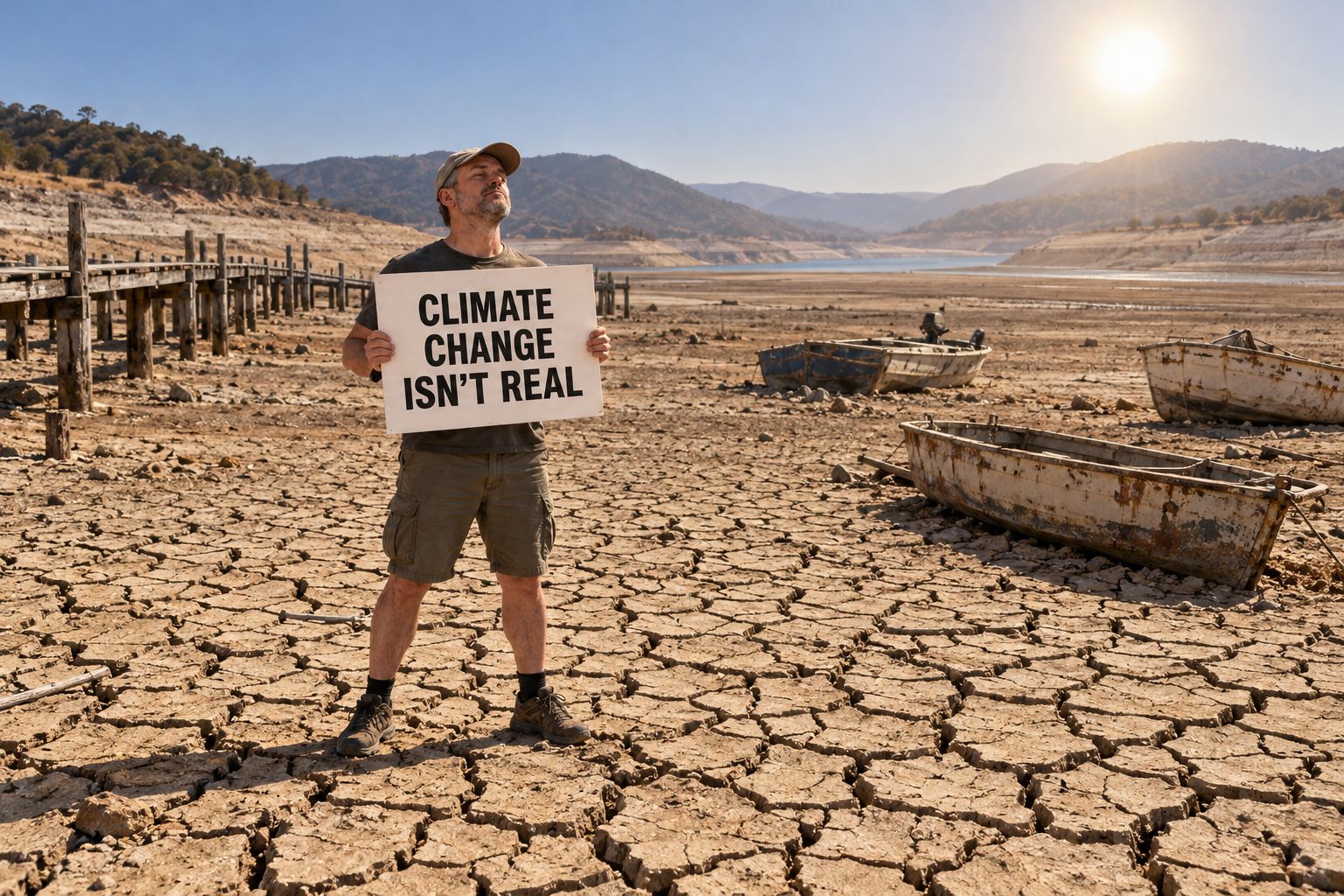
False information can influence whether people heed an emergency warning, seek disaster assistance, or support measures to reduce pollution. When those decisions affect their safety, disinformation becomes a public health problem.
On October 26, health and civil society organizations called on World Health Organization member states to recognize climate disinformation as a public health threat. Their appeal accompanied Protecting Health in the Age of Climate Disinformation, a position paper from the WHO Civil Society Working Group on Climate and Health. This is a call for action, not an announcement that WHO member states have adopted a new policy.
When falsehoods interfere with safety
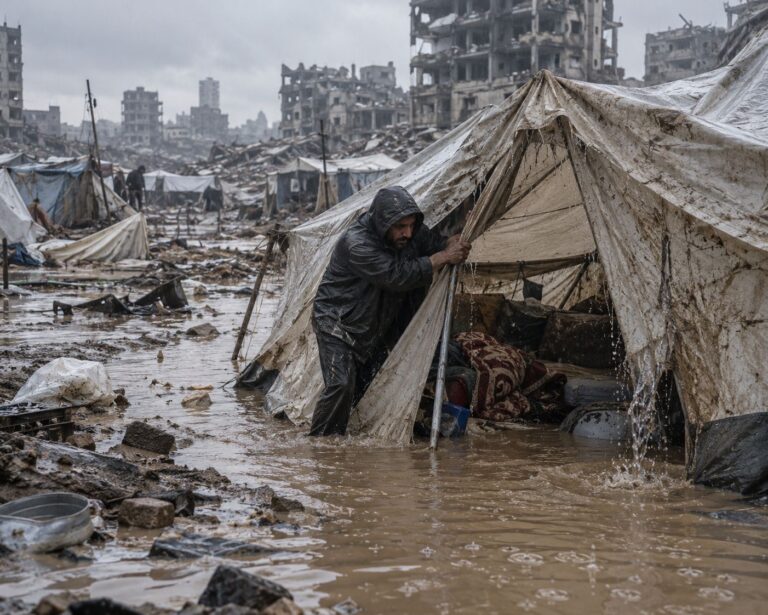
The paper describes how misleading information can undermine confidence in heat and air-pollution warnings, discourage evacuation, and interfere with access to disaster assistance. Its case studies include wildfires in Canada and Maui, flooding in South Sudan, and opposition to London’s Ultra Low Emission Zone.
The practical question is straightforward: can people obtain reliable information when they need to make consequential decisions?
An emergency warning has little value if those receiving it have been persuaded that every public institution is lying. Equally, an institution cannot expect automatic trust simply because its advice is correct. It needs to communicate clearly, explain uncertainty, and demonstrate that it takes people’s concerns seriously.
Mocking frightened or confused people will not accomplish that.
Skepticism requires evidence
There is an important distinction between misinformation and disinformation. WHO defines misinformation as false information shared without an intention to mislead. Disinformation involves deliberate deception. A person repeating an inaccurate claim may sincerely believe it; that does not make the claim harmless, but it does matter when deciding how to respond.
For freethinkers, skepticism means applying scrutiny consistently. It means asking what evidence supports a claim, whether its sources are credible, and what would establish that it is wrong.
Refusing to accept any evidence that challenges a preferred conclusion is not skepticism. Neither is assuming that a claim becomes more credible because it contradicts scientists.
Public authorities must face the same scrutiny. They should publish their evidence, acknowledge limitations, and correct mistakes openly. Trust built on an appearance of infallibility will collapse when an error becomes visible.
Follow the incentives
The working group’s recommendations extend beyond correcting individual falsehoods. They include safeguards against conflicts of interest, scrutiny of fossil fuel greenwashing, stronger public education, and protection for scientists, journalists, and other people targeted for communicating evidence.
These proposals raise a necessary question about accountability. Who pays to spread a message? What interests does it serve? Are readers seeing an independent assessment, an advertisement, or lobbying presented as neutral expertise?
Those questions should apply to governments, corporations, campaign groups, and media organizations alike. Transparency is useful precisely because nobody should receive an exemption from examination.
Protect debate while confronting deception
Climate policy involves legitimate disagreements about costs, priorities, technology, and fairness. People can accept climate science while opposing a particular tax, transport restriction, or energy policy. Calling every objection “disinformation” would weaken public debate and make the term less useful.
The response should therefore be specific: identify the false claim, show the evidence, explain the uncertainty, and distinguish factual disputes from political choices.
Freethinkers International supports an approach grounded in scientific literacy, independent journalism, transparent institutions, and freedom of expression. Governments must not use the fight against disinformation as a convenient justification for silencing critics.
People need the freedom to question authority—and access to reliable evidence with which to do it. Protecting both is essential when the consequences reach beyond an argument and into people’s health.