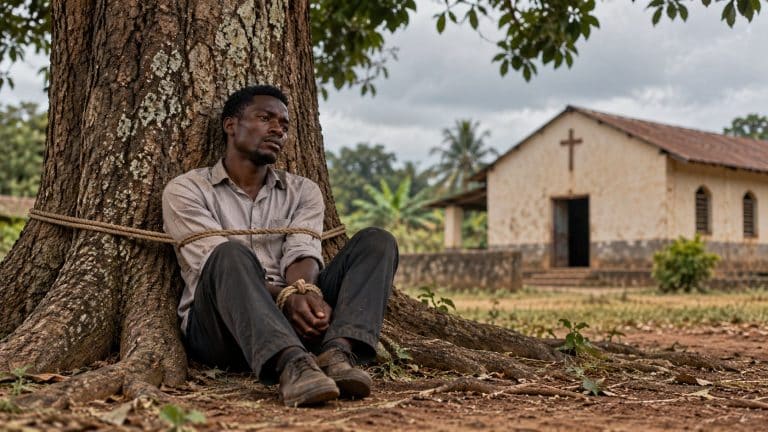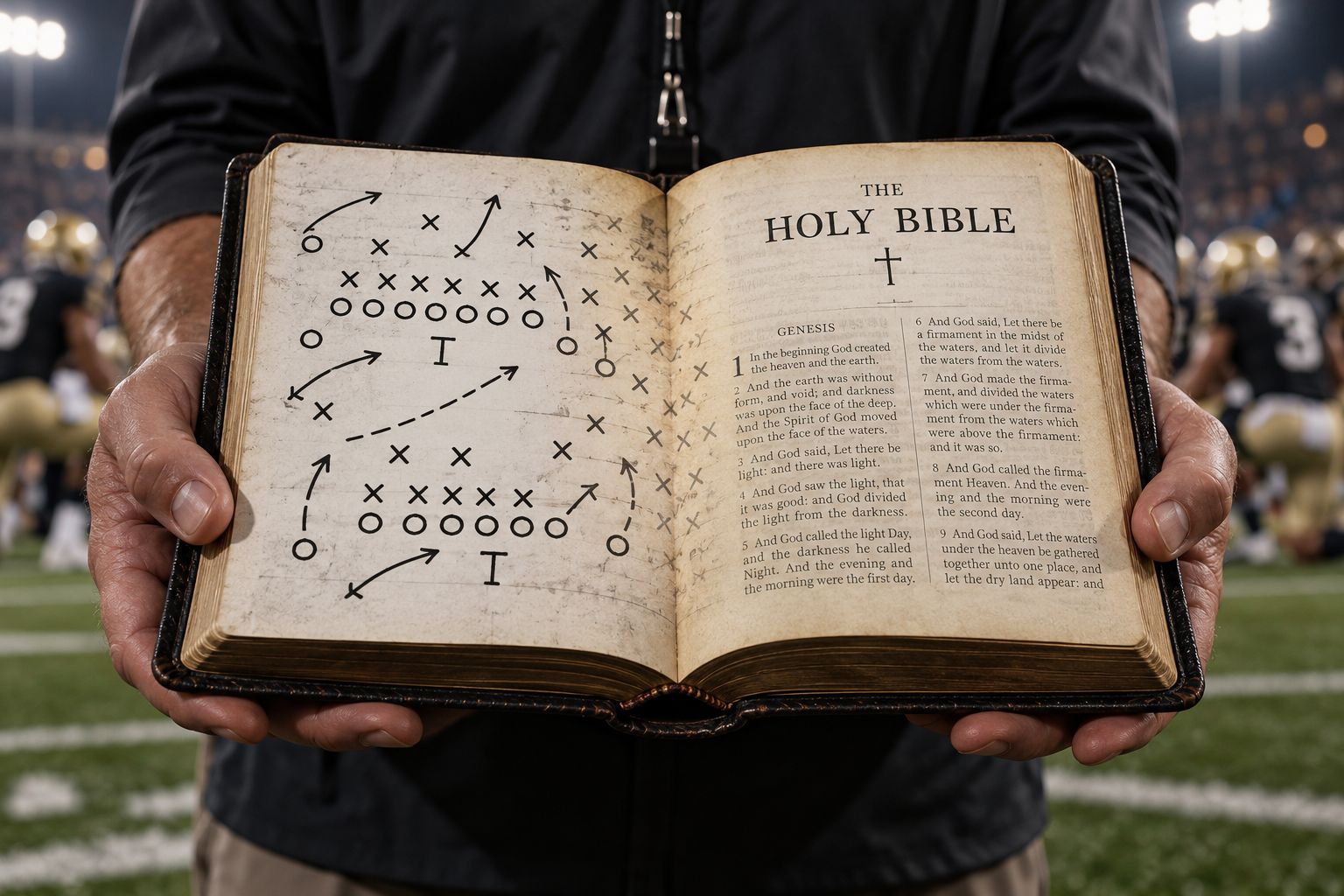
A college athlete should have to prove their ability, not their faith. Yet a new investigation argues that some American university sports programs make religious participation feel like part of earning a place on the team.
The Freedom From Religion Foundation released its updated “Pray to Play” investigation on October 21. Following more than a year of research, including public records requests to over 40 colleges and universities, the organization reports persistent religious pressure in college athletics.
Its findings describe coaches promoting Christianity through team activities, chaplains enjoying privileged access to athletes, and evangelical organizations building relationships inside athletic programs. FFRF says students can feel pressure to participate because they fear damaging their opportunities or standing with teammates.
When optional does not feel optional
A coach does not need to issue an explicit religious ultimatum to create pressure. When the person selecting the lineup also promotes a prayer meeting, an athlete may reasonably wonder whether declining will affect that relationship.
Calling an activity voluntary does not resolve this imbalance. The meaningful question is whether players feel free to refuse without having to explain their beliefs, defend their loyalty, or worry about how the coach will interpret their absence.
Team unity can make that choice harder. An athlete who declines a religious activity may fear appearing distant or uncooperative, even when their objection has nothing to do with commitment to the sport.
Chapel on the team calendar
The report describes messages involving a University of Wyoming football coach and a Fellowship of Christian Athletes representative. According to FFRF, the coach added chapel to the team’s weekly calendar as a teamwork activity to encourage attendance.
It also includes testimony from former Southern Methodist University player Mickey Dollens, who now works for FFRF. He recalls a Muslim teammate delivering a Christian prayer when called upon before a team meal. SMU is a private, religiously affiliated institution, a distinction that matters when discussing the legal responsibilities of public universities.
These accounts illustrate the report’s central concern: religious participation can become entangled with belonging. They should not, however, be presented as proof that every named program punished athletes for refusing to pray.
Freedom of belief includes refusing
Athletes should be free to pray, discuss religion, and seek spiritual support. Equally, atheists, agnostics, and religious minorities should be able to participate fully in a team without performing someone else’s beliefs.
That principle also protects Christians who dislike public prayer or disagree with a coach’s religious approach. Sharing a religious label does not mean consenting to every ritual, ministry, or interpretation associated with it.
Universities should therefore separate athletic expectations from religious participation. Coaches should make clear that attendance at religious activities carries no advantage, while institutions should provide credible ways to raise concerns without fear of retaliation.
A team can build solidarity through shared effort, trust, and mutual respect. None of those requires agreement about God, and no athlete should have to pretend otherwise to feel secure in their place.