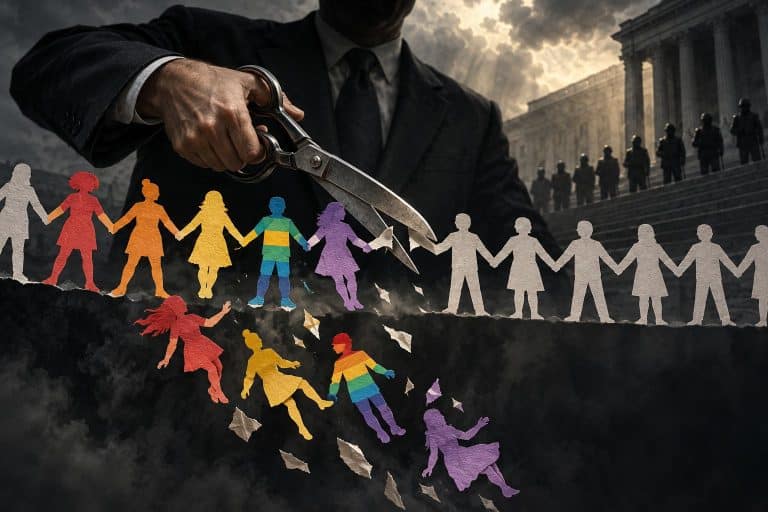
Israel’s LGBTQ+ reputation faces an uncomfortable test at home. A new report by the Aguda, an Israeli equality organization, examines funding cuts, restrictive proposals, and hostile political rhetoric during Benjamin Netanyahu’s government. Published ahead of the October 27 election, it also recognizes legislative gains and successful resistance to discrimination.
The distinction matters. Israeli LGBTQ+ people and the organizations defending them deserve recognition for their achievements. Those achievements should also make scrutiny of the government more demanding. A reputation for tolerance carries obligations.
Equality needs more than visibility
According to the report, the Ministry of Social Equality’s LGBTQ Advancement Division received approximately 24 million shekels in 2024, down from a planned 38 million—a reduction of roughly 37%. Funding for a program supporting local authorities fell from 21 million to 10 million shekels.
These figures concern the resources that help turn formal recognition into practical support. A rainbow flag cannot provide counseling. International praise cannot keep a community center open or replace a worker helping someone navigate discrimination.
Earlier reporting by the New Israel Fund described municipal centers closing and employees losing their jobs. Its November 2025 account warned that cuts were undermining programs serving vulnerable groups, including transgender people, LGBTQ+ youth, queer Palestinians, and people with disabilities or HIV. That warning predates the new election report and describes an established problem.
The consequences can be especially serious for people who cannot rely on supportive families or afford private alternatives. For them, community services may provide the practical means to live openly and safely.
Restrictive proposals reveal political priorities
The Aguda’s review identifies proposals restricting transgender recognition and discussion of sexuality and gender in schools. A religious exemption allowing businesses to refuse services was shelved after opposition. These proposals should not be presented as enacted bans. Nevertheless, the organization warns that stalled initiatives could return.
A failed proposal still tells voters something about its sponsors’ priorities. Public resistance may stop a discriminatory measure without removing the political ambition behind it. The people who organized that resistance deserve the credit.
Religious freedom also needs a consistent definition. It should protect belief and worship while preserving other people’s equal access to public life. Otherwise, one person’s convictions become another person’s exclusion.
Progress does not cancel regression
The report also records advances, including recognition of same-sex partners in legislation concerning bereaved military families and families of hostages or missing people. Another amendment strengthened student protections. It also documents inflammatory statements, including a lawmaker’s comparison of the LGBTQ+ community with terrorist organizations.
Acknowledging improvements makes criticism more credible. Governments can expand one protection while undermining another. The relevant assessment must examine the whole record rather than select whichever example best serves a political argument.
Likewise, hostile rhetoric deserves scrutiny alongside legislation. Describing a minority as a national danger encourages citizens to see its equality as something threatening. Elected representatives should face questions about that language, even when it produces no immediate legal change.
A reputation is not a permanent exemption
Israel’s LGBTQ+ community should never become a public-relations asset whose visibility excuses neglect. Its members are people entitled to security, services, and equal treatment. Their achievements cannot function as a permanent certificate of good conduct for any government.
Comparisons with more repressive countries do not settle the issue. A government’s obligations do not disappear because another government behaves worse. The standard should be whether people can exercise their rights and obtain protection when those rights come under attack.
Supporting Israeli LGBTQ+ people therefore includes listening when their organizations challenge Israeli leaders. The rainbow flag should represent a commitment that citizens can hold the state to. It should never become a substitute for that commitment.