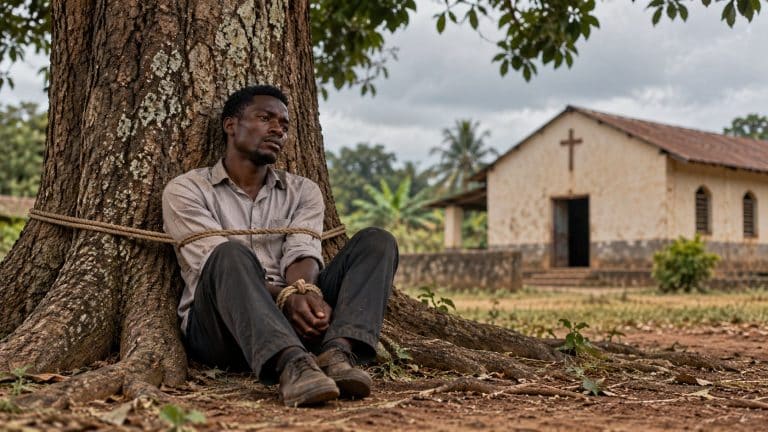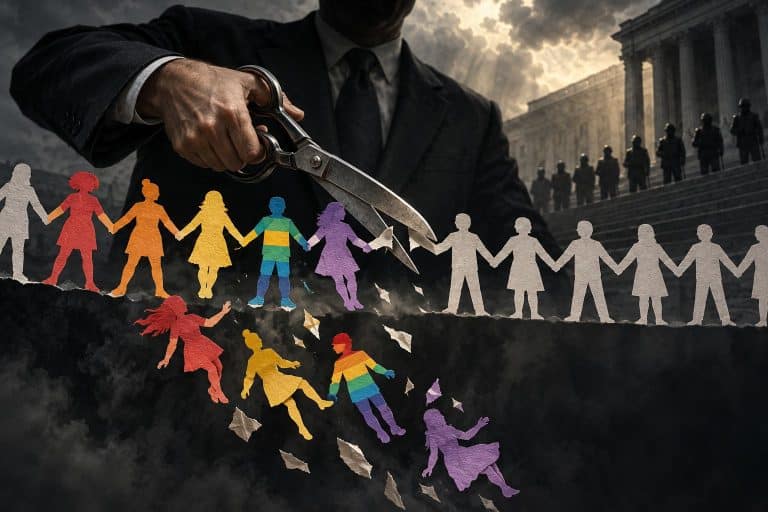
UN experts have warned of escalating enforced disappearances and growing persecution of human rights defenders. Addressing the General Assembly’s Third Committee on October 20, they highlighted unresolved cases and threats against people seeking truth and accountability. The warning concerns both those who disappear and those who risk their safety to find them.
Behind the institutional language lies a brutal practice. Someone takes a person away, then conceals what happened. Their family cannot establish where they are, who holds them, or whether they remain alive.
Disappearance turns uncertainty into punishment
Under the international convention addressing the crime, enforced disappearance involves detention or abduction by state agents, or people acting with state authorization, support, or acquiescence. Authorities then refuse to acknowledge the detention or conceal the person’s fate or whereabouts, removing them from the protection of the law. The convention explicitly rejects war, political instability, and public emergencies as justifications.
The secrecy compounds the harm. A family cannot visit a detention center when officials deny holding its relative. A lawyer cannot effectively challenge detention when the authorities conceal the detainee’s location.
Meanwhile, relatives face an agonizing uncertainty. They may continue searching for years, unable to establish whether they should expect a reunion or mourn a death. The UN describes enforced disappearance as a practice that can spread fear beyond individual families into entire communities.
Those searching for answers become targets
Human rights defenders help families document cases, approach authorities, and keep public attention on missing people. However, the UN has repeatedly raised concerns about harassment against relatives, witnesses, lawyers, and activists working on disappearances. Efforts to uncover an abuse can expose people to further intimidation.
That creates a devastating incentive. If asking questions brings threats, other families may hesitate to speak. Silencing those who investigate also makes it harder to establish responsibility and challenge official denials.
The democratic consequences extend beyond any single case. Public accountability depends on people being able to report abuses without fearing retaliation. When authorities punish that work, they weaken the safeguards that could protect the next victim.
Recent warnings show the human stakes
On October 9, the UN mission in Libya expressed concern about reported disappearances, abductions, and arbitrary detention. It named people whose whereabouts remained unknown and urged authorities to establish their fate, protect their safety, and inform their families.
The mission also called for access to lawyers, relatives, and necessary medical care. It demanded impartial investigations and accountability for those responsible. These are basic protections, yet their absence can leave detainees dangerously isolated.
Separate figures from the UN Committee on Enforced Disappearances illustrate the continuing demand for intervention. Between March 1 and August 31, 2026, it received 181 new requests for urgent action, compared with 161 in the preceding reporting period.
Those figures describe requests submitted to one UN mechanism, not the worldwide total of disappearances. The committee also reported that its urgent-action procedure had helped locate 574 people since its inception, including 437 found alive. Searching and sustained pressure can produce results.
Families need answers and accountability
Governments should disclose where detainees are held, allow meaningful access to legal protection, and investigate allegations promptly. Relatives and defenders must be able to search, speak publicly, and demand answers without becoming targets themselves.
International condemnation matters, but its value depends on what follows. A missing person needs a search, a family needs the truth, and perpetrators need to face accountability. No government should be able to make someone disappear and then punish the people who refuse to forget them.