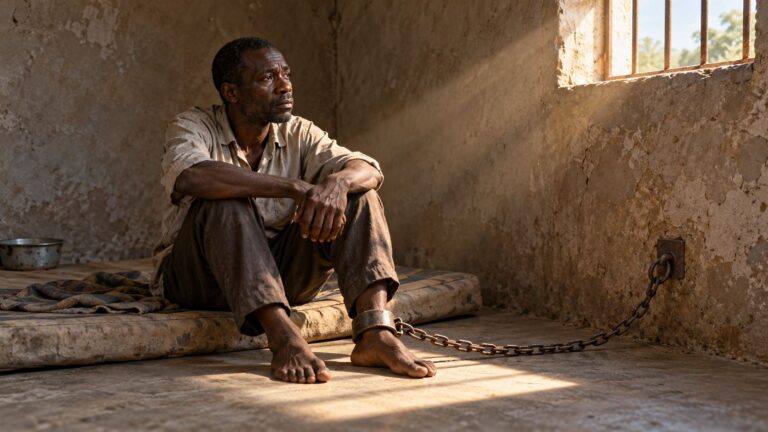
A person is born with a genetic condition that affects pigmentation. Nothing about it makes them less human, less capable, or less deserving of dignity. Yet across the world, people with albinism continue to face discrimination, exclusion, violence, and sometimes death simply because they look different.
On October 23, 2026, the United Nations warned that discrimination based on skin color continues to devastate the lives of people with albinism. The warning followed a report presented to the UN General Assembly by Muluka-Anne Miti-Drummond, the Independent Expert on the enjoyment of human rights by persons with albinism.
Her message was clear. Discrimination is not an occasional possibility for many people with albinism. It is part of their everyday existence, affecting education, employment, healthcare, public participation, and personal safety.
More importantly, the consequences extend far beyond what outsiders can see.
A lifetime of discrimination
Albinism is a rare, inherited genetic condition characterized by reduced or absent melanin production. It occurs in populations worldwide, regardless of ethnicity or ancestry. People with albinism frequently experience visual impairments and increased sensitivity to sunlight.
These are medical realities. They do not justify prejudice, social rejection, or unequal treatment.
Nevertheless, people with albinism frequently encounter stereotypes that shape their opportunities from childhood. Some face bullying at school, exclusion from social activities, or discrimination when seeking employment.
Others encounter barriers to healthcare and education because institutions fail to accommodate their visual impairments or provide adequate protection against sun exposure.
Miti-Drummond highlighted the psychological consequences of this treatment. Persistent humiliation, negative stereotypes, and social exclusion can contribute to anxiety, depression, low self-esteem, isolation, and even suicidal thoughts.
Such suffering is not an inevitable consequence of albinism. Much of it results from how society treats people with the condition.
When ignorance becomes violence
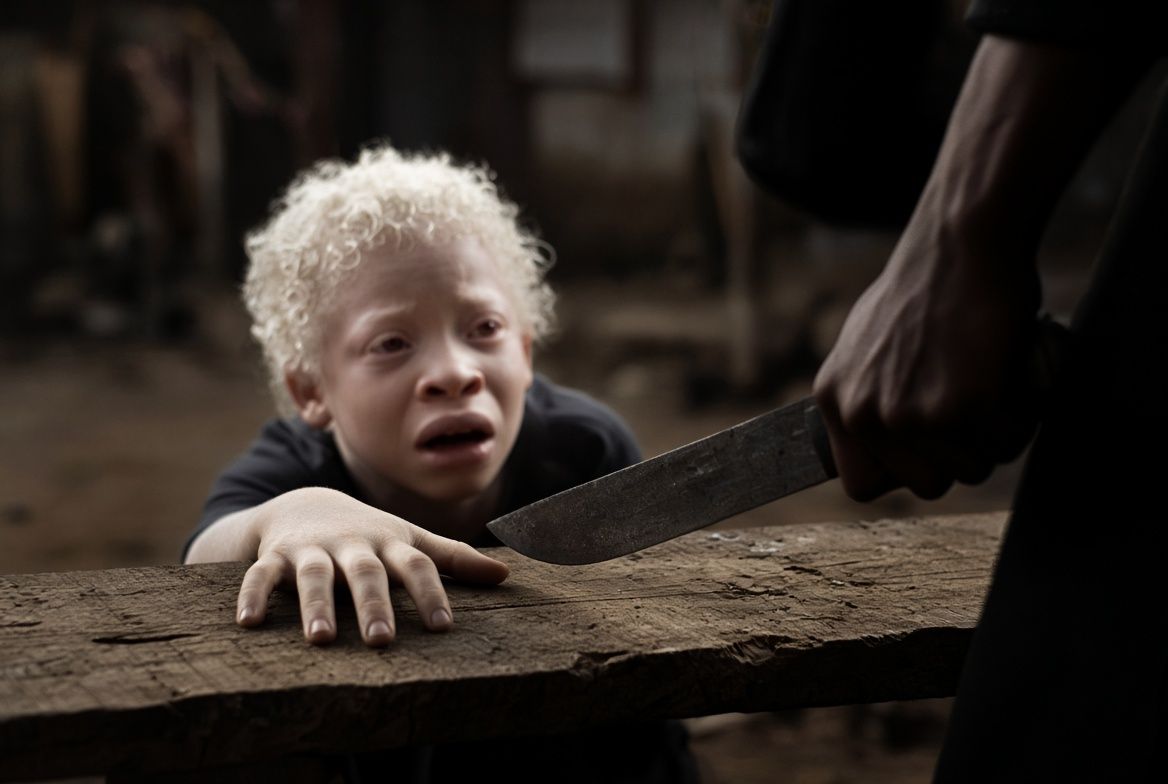
In some communities, harmful superstitions make the situation considerably worse. People with albinism may be portrayed as supernatural beings, cursed individuals, or sources of magical power.
These beliefs have contributed to horrific crimes, particularly in parts of sub-Saharan Africa, where documented attacks have included kidnappings, mutilations, and ritual killings.
The victims have done nothing wrong. Their perceived difference becomes an excuse for cruelty.
However, focusing exclusively on the most extreme violence risks overlooking the broader problem. A person does not have to face murder or physical assault to suffer serious human rights violations.
Repeated humiliation, exclusion from employment, inadequate medical care, and barriers to education can also destroy opportunities and undermine psychological well-being.
Discrimination takes many forms, and societies should not have to witness a killing before recognizing it as a serious problem.
The psychological burden extends to families
The UN report also draws attention to parents and other relatives who live with the consequences of discrimination.
Parents may fear for their children’s safety, worry about bullying, or struggle to obtain appropriate medical and educational support. In communities where attacks occur, the constant threat can affect entire families.
Children should be able to attend school without fear. Adults should be able to seek employment without encountering irrational prejudices. Families should not have to organize their lives around protecting loved ones from other people’s ignorance.
Yet these elementary expectations remain unmet in too many places.
The psychological damage is especially troubling because it can persist long after an individual act of discrimination has ended. Repeated rejection can gradually influence how people perceive themselves, their opportunities, and their place in society.
Human rights protections must therefore address not only physical safety but also the lasting consequences of social exclusion.
Equal protection must mean something
The UN expert called for stronger laws, institutional reforms, public education, and coordinated action to address discrimination and its psychological consequences.
Governments have several responsibilities. They must investigate attacks, prosecute offenders, enforce anti-discrimination protections, and ensure that people with albinism can access education, healthcare, and employment on equal terms.
Schools should provide reasonable accommodations for visual impairments. Healthcare systems should ensure access to appropriate eye care and protection against skin cancer. Employers must evaluate individuals according to their abilities rather than stereotypes.
Furthermore, public education should challenge supernatural claims and other misconceptions about albinism.
These measures are neither extraordinary privileges nor acts of charity. They are necessary conditions for meaningful equality.
Crucially, people with albinism must participate in decisions affecting their own lives. Policies designed without consulting those who experience discrimination risk overlooking their actual needs.
Human dignity is not determined by pigmentation
The persistence of discrimination against people with albinism reveals something disturbing about societies that claim to respect universal human rights.
We have developed sophisticated medical knowledge, constitutional protections, and international human rights institutions. Yet some people still face rejection because their bodies produce less pigment.
Others must confront ancient superstitions that turn a harmless genetic difference into a supposed justification for persecution.
Scientific ignorance can help explain the origins of these beliefs. It cannot excuse violence or discrimination.
The October UN warning should therefore be understood as more than another appeal for tolerance. It is a reminder that equality requires functioning institutions, enforceable rights, accessible services, and societies willing to challenge their own prejudices.
People with albinism do not need to be treated as objects of pity, curiosity, or fear. They need the same opportunities, freedoms, and protections that everyone else deserves.
Human rights cannot depend on the amount of melanin in someone’s skin.