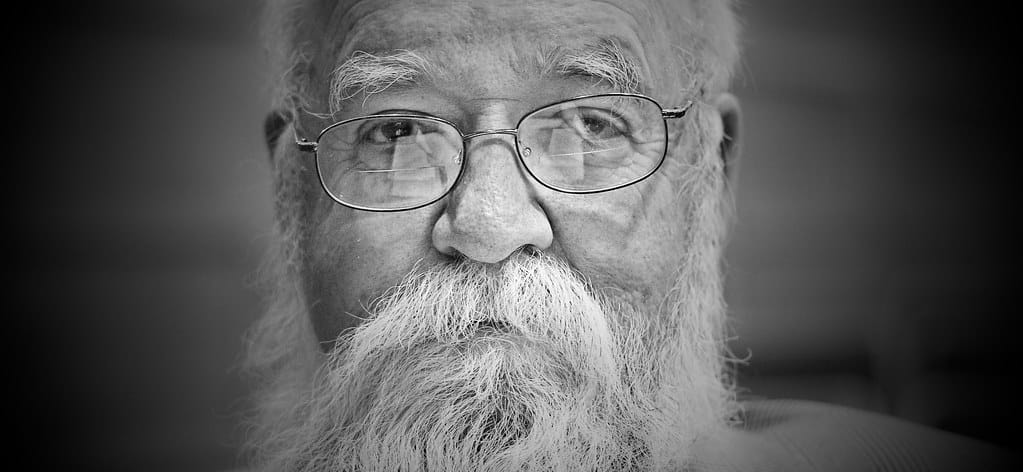
Daniel Clement Dennett III, a towering figure in philosophy and cognitive science, who profoundly influenced our understanding of consciousness, religion, and free will, has passed away at the age of 82. This quotation encapsulates Dennett’s lifelong argument that all scientific inquiry is deeply interwoven with philosophical assumptions. His death marks the end of an era defined by rigorous thought, provocative ideas, and a relentless pursuit of understanding the human mind and its interaction with the world.
 Born on March 28, 1942, in Boston, Massachusetts, Dennett was a precocious child whose early interests in philosophy and science presaged his future academic pursuits. Educated at Phillips Exeter Academy, Harvard University, and Oxford under the tutelage of Gilbert Ryle, Dennett’s intellectual journey was both broad and deep, impacting numerous fields and challenging thinkers around the world to reconsider their own “philosophical baggage.”
Intellectual Journey
Dennett’s contributions to philosophy and cognitive science are monumental. His tenure as the Co-Director of the Center for Cognitive Studies and the Austin B. Fletcher Professor of Philosophy at Tufts University saw him explore the complexities of human cognition with a blend of philosophical acuity and scientific rigor.
He is perhaps best known for his work in the philosophy of mind, particularly through his seminal book, “Consciousness Explained.” Dennett argued against the Cartesian model of consciousness as a central, unified control room and instead proposed a model where multiple brain processes collaborate without a singular, coherent narrative. This challenged conventional views and sparked significant debate and further research, pushing the field forward in important ways.
His exploration of free will in “Elbow Room: The Varieties of Free Will Worth Wanting” suggested that understanding free will required a sophisticated notion of human beings as both free and morally responsible, compatible with a deterministic view of the universe.
Cultural Impact
Beyond the academic sphere, Dennett was a prominent public intellectual, especially known for his critiques of religion, particularly in “Breaking the Spell: Religion as a Natural Phenomenon.” He offered a naturalistic view of why human cultures develop religious beliefs, which he argued should inform more compassionate and reasoned public discourse about religion and spirituality.
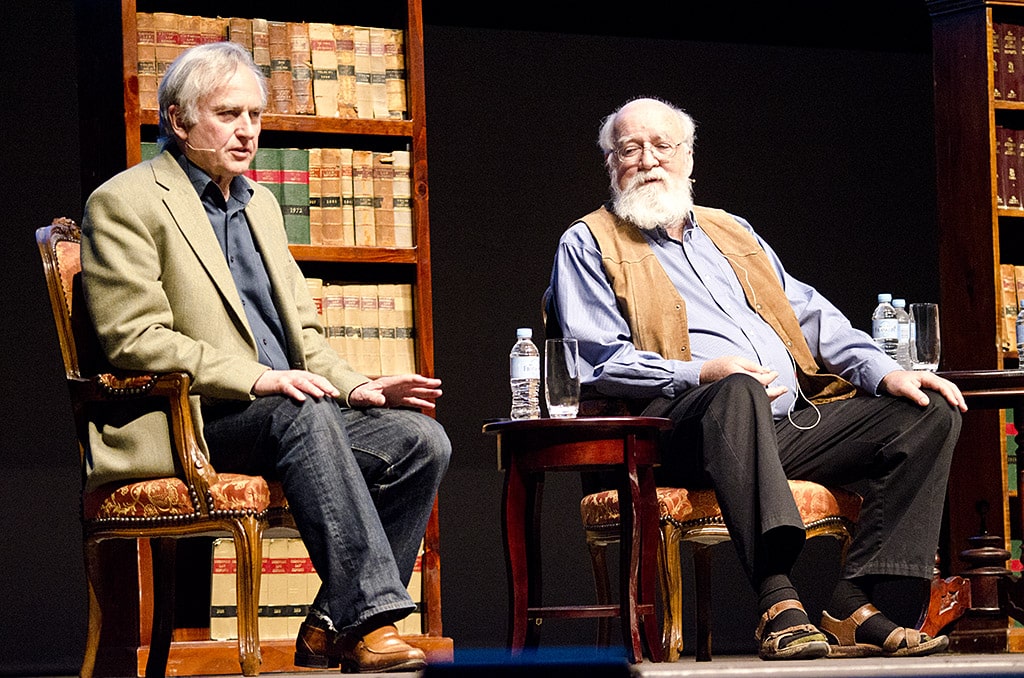 As a leading figure in the New Atheism movement, Dennett distinguished his views by advocating for a nuanced understanding of religion’s role in human culture and individual psychology. His writings provided a framework for discussing religious belief and atheism in the context of evolving cultural and societal norms.
Legacy and Influence
Dennett’s interdisciplinary approach bridged divides between the sciences and the humanities, fostering a greater appreciation for the philosophical dimensions of scientific questions. His commitment to public understanding of complex issues made him a popular figure in public discourse, enhancing the public’s engagement with philosophical ideas.
Personal Reflections
Known for his intellectual generosity and mentorship, Dennett inspired a generation of thinkers. His quick wit, passion for sailing, and capacity for deep personal relationships enriched the lives of those who knew him. He is survived by his family, who were a profound source of support and inspiration throughout his career.
Conclusion
 The philosophical community and the broader world of intellectual inquiry have suffered a great loss with Daniel Dennett’s passing. His provocative ideas and persistent questioning of unexamined assumptions continue to influence and inspire. As we reflect on his monumental contributions, Dennett’s legacy stands as a beacon for future explorations in philosophy and science. His work remains a critical part of the ongoing dialogue about the deepest complexities of human nature and the universe.