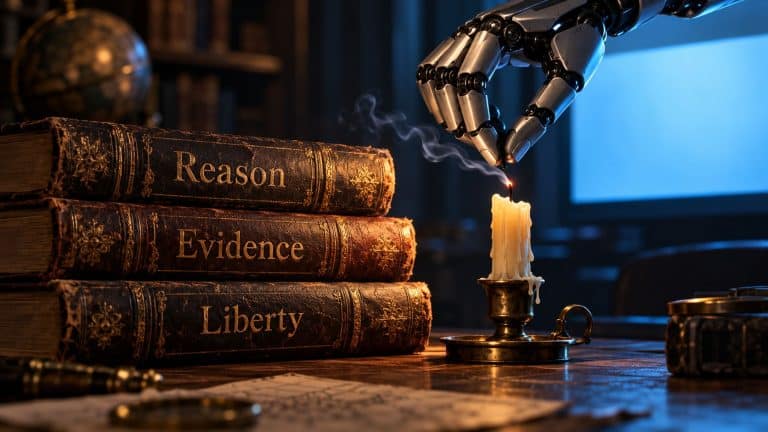
In a recent discussion, the question arose whether a conservative could also be a freethinker, given conservatism’s association with authority and traditionalism. As someone who identifies as both a freethinker and a conservative, I aim to contribute to this discourse by advocating for a more nuanced understanding of modern conservatism, highlighting its inherently progressive element.
This episode is also available as podcast via your favorite podcast app
While conservatism is often simplistically characterized as a commitment to traditional values and resistance to change, such a portrayal fails to capture its complexity. This narrow view tends to label conservatism as regressive, stifling societal progress. However, a deeper examination reveals that conservatism, particularly in its modern form, embodies a paradoxical progressive essence.
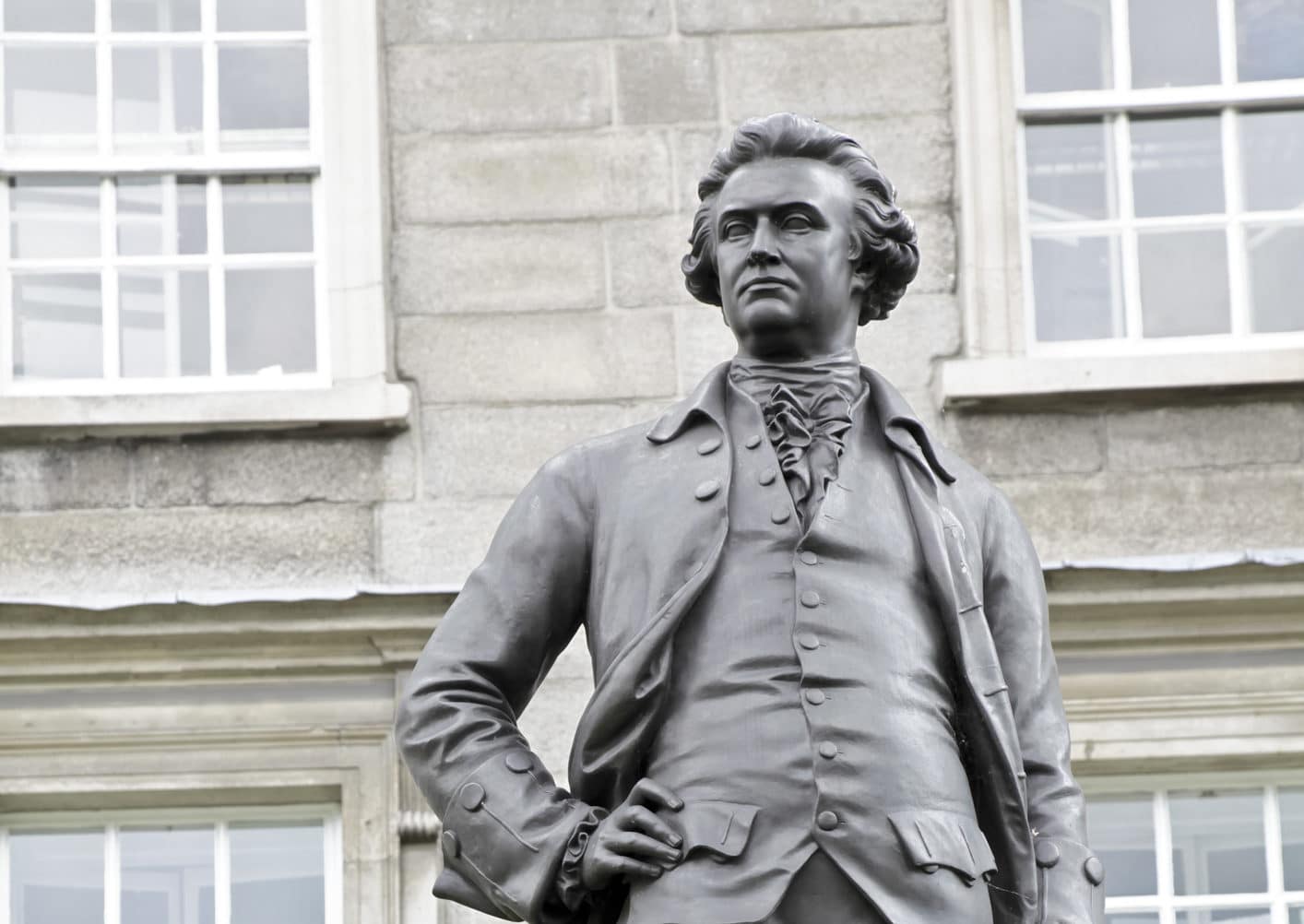
In the annals of political philosophy, Edmund Burke, the 18th-century Anglo-Irish thinker, stands as a pivotal figure in shaping modern conservatism. In his seminal work “Reflections on the Revolution in France” (1790), Burke cautioned against the radical upheaval witnessed during the French Revolution. He argued that the revolution’s reliance on abstract ideals neglected the organic complexities of human nature and society, undermining the stability provided by tradition, custom, and established institutions. Burke’s foresight, amidst the turmoil that ensued, underscores the importance of his perspective.
It’s essential to note that Burke was not staunchly opposed to change but advocated for a measured approach, favoring gradual modernization within existing frameworks. His model drew inspiration from the evolution of the English societal order, which, while evolving, remained rooted in tradition and continuity.
Therefore, a balanced conservative outlook does not inherently reject change but seeks to preserve the wisdom and legacy of previous generations. It heeds the biblical injunction to “Test all things; hold fast what is good.” Rather than blindly adhering to dogma, conservatism critically evaluates customs and traditions, conserving what is beneficial while remaining receptive to gradual change.
In this capacity, conservatism serves as a counterbalance to the excesses of radical progressivism. It emphasizes that meaningful progress often emerges from incremental adjustments within existing societal structures, rather than abrupt upheavals. Paradoxically, modern conservatives can and should embody the spirit of freethinking by their very nature.
In summary, far from just a graceful yet slow waltz, conservatism emerges as a formidable force, offering significant contributions to any journey toward societal progress. By embracing the fusion of tradition and freethinking, conservatism offers a dynamic approach that honors the wisdom of the past while embracing the opportunities of the future. This synthesis may serve as a powerful ally in navigating the complexities of modern society, providing a steady anchor amidst the winds of change. Moreover, conservatism’s commitment to incremental progress and respect for established institutions can serve as a stabilizing force in times of uncertainty, offering a roadmap for constructive dialogue and collaboration across ideological divides. As we continue to chart our course forward, let us recognize the strength and resilience inherent in the overlap between conservatism and freethinking, forging a path towards a more prosperous and inclusive future for all.