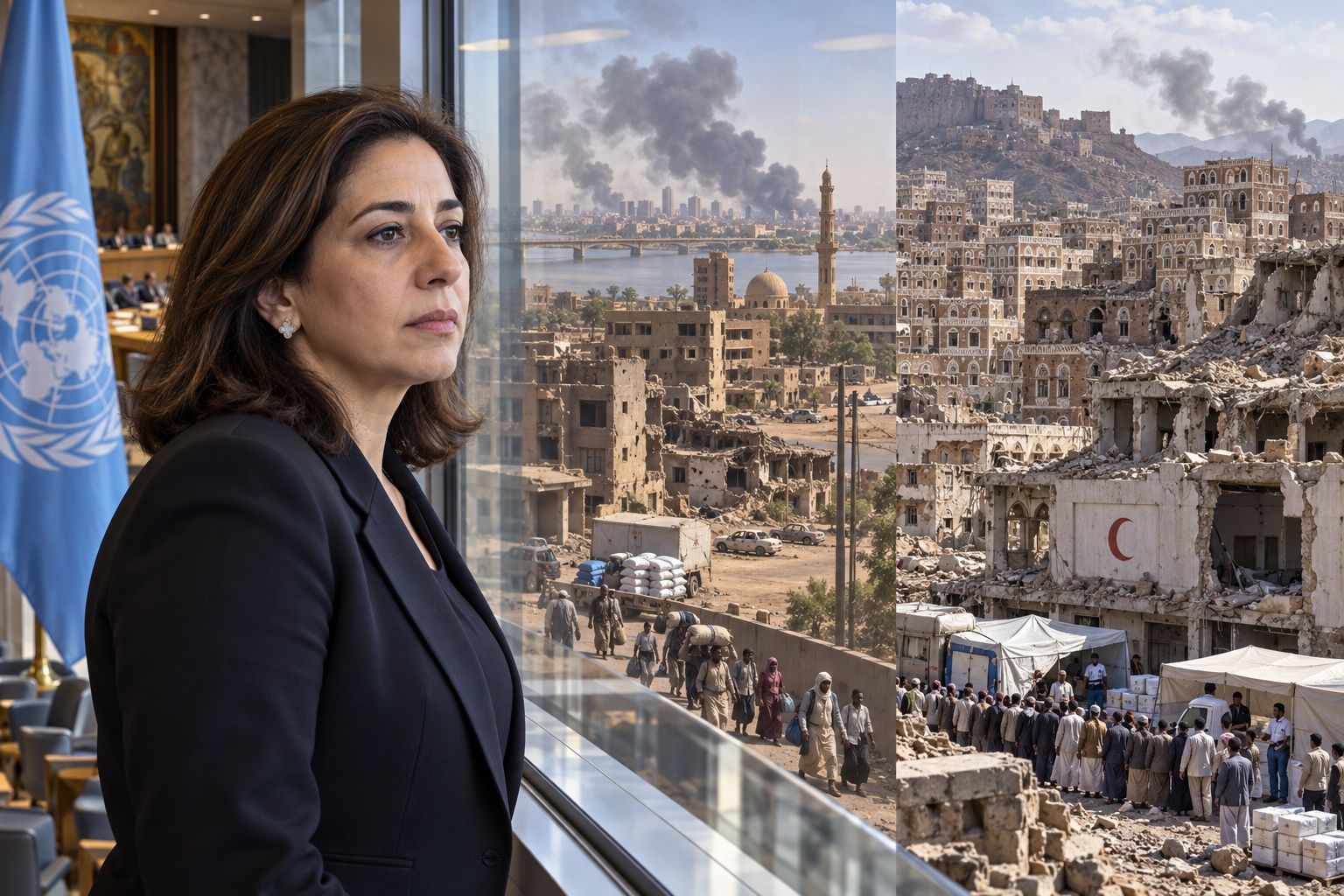
Lana Zaki Nusseibeh wants to lead the United Nations. Before governments support her candidacy, they should demand clear answers about her record defending the United Arab Emirates.
The UAE formally nominated Nusseibeh for secretary-general on October 21, 2026. Its announcement emphasized her diplomatic experience, including her service as permanent representative to the UN from 2013 to 2024 and leadership roles involving UN Women and Security Council reform.
Those credentials deserve consideration. So does the question of how she has used her influence when evidence of abuses implicated her own government.
A record requiring answers
On October 28, Human Rights Watch accused Nusseibeh of whitewashing the UAE’s role in abuses in Sudan and Yemen. It highlighted her repeated denials of Emirati support for Sudan’s Rapid Support Forces despite findings by UN investigators.
The UAE rejects allegations that it supports the RSF. In an April 2024 statement, Nusseibeh dismissed Sudanese accusations as baseless and presented her government as committed to a negotiated settlement and civilian-led government.
These competing accounts require examination of the evidence. Diplomatic confidence cannot settle a factual dispute, particularly when the consequences concern civilian lives.
A candidate should be able to explain which investigative findings she disputes, why she disputes them, and what evidence would change her position.
Leaving government does not erase a record
According to Human Rights Watch, Nusseibeh was questioned during an October 27 dialogue about her rejection of UN findings. She responded by noting that she had taken leave from her ministerial position and directing questions about the UAE to its government.
That does not adequately answer a question about her own conduct.
A candidate seeking international office should expect scrutiny of decisions and statements made in national service. Taking leave changes an employment relationship. It does not establish independence of judgment.
Nor should anyone be disqualified simply because of their nationality. The relevant test is personal conduct: whether a candidate has demonstrated the willingness to confront uncomfortable evidence and apply consistent standards.
Diplomacy needs principles
A secretary-general must negotiate with governments responsible for repression and violence. Maintaining communication can be necessary to secure humanitarian access, protect civilians, or pursue peace.
But negotiation requires an honest understanding of what is happening. When evidence becomes subordinate to the interests of influential governments, diplomacy risks protecting the circumstances that allow abuses to continue.
The same standard must apply to every candidate and every state. Wealth, military power, strategic alliances, and generous funding should not purchase exemption from scrutiny.
A credible leader should be prepared to defend investigators when their conclusions anger powerful officials, acknowledge uncertainty where evidence is incomplete, and insist on accountability where findings are well supported.
Victims deserve a voice in the selection
Governments considering candidates should ask concrete questions about investigative independence, protection for human rights defenders, and responses to pressure from former employers and political allies.
Civil society should have meaningful opportunities to question candidates. Survivors and representatives of affected communities should be heard alongside diplomats.
Promises matter, but records matter more. A polished commitment to universal rights carries little weight without an explanation of how a candidate has acted when those rights conflicted with national interests.
Nusseibeh should answer the criticism directly. Governments should assess those answers publicly and against the evidence.
The UN’s next leader must earn the confidence of people who need protection from power. That requires the courage to confront abuses—even when the government implicated is the one that helped put them in office.