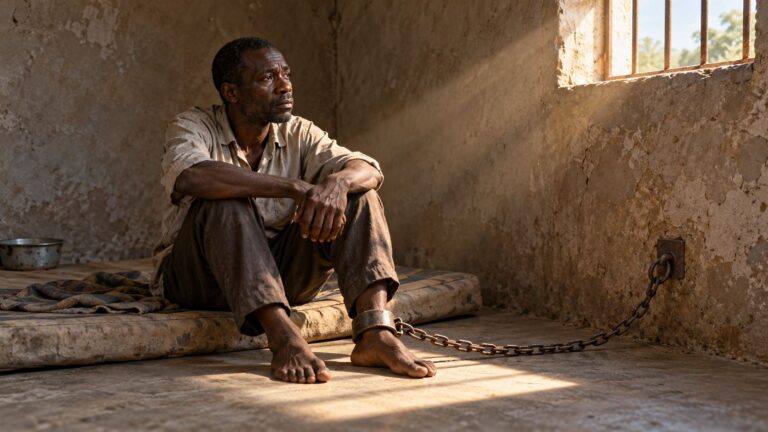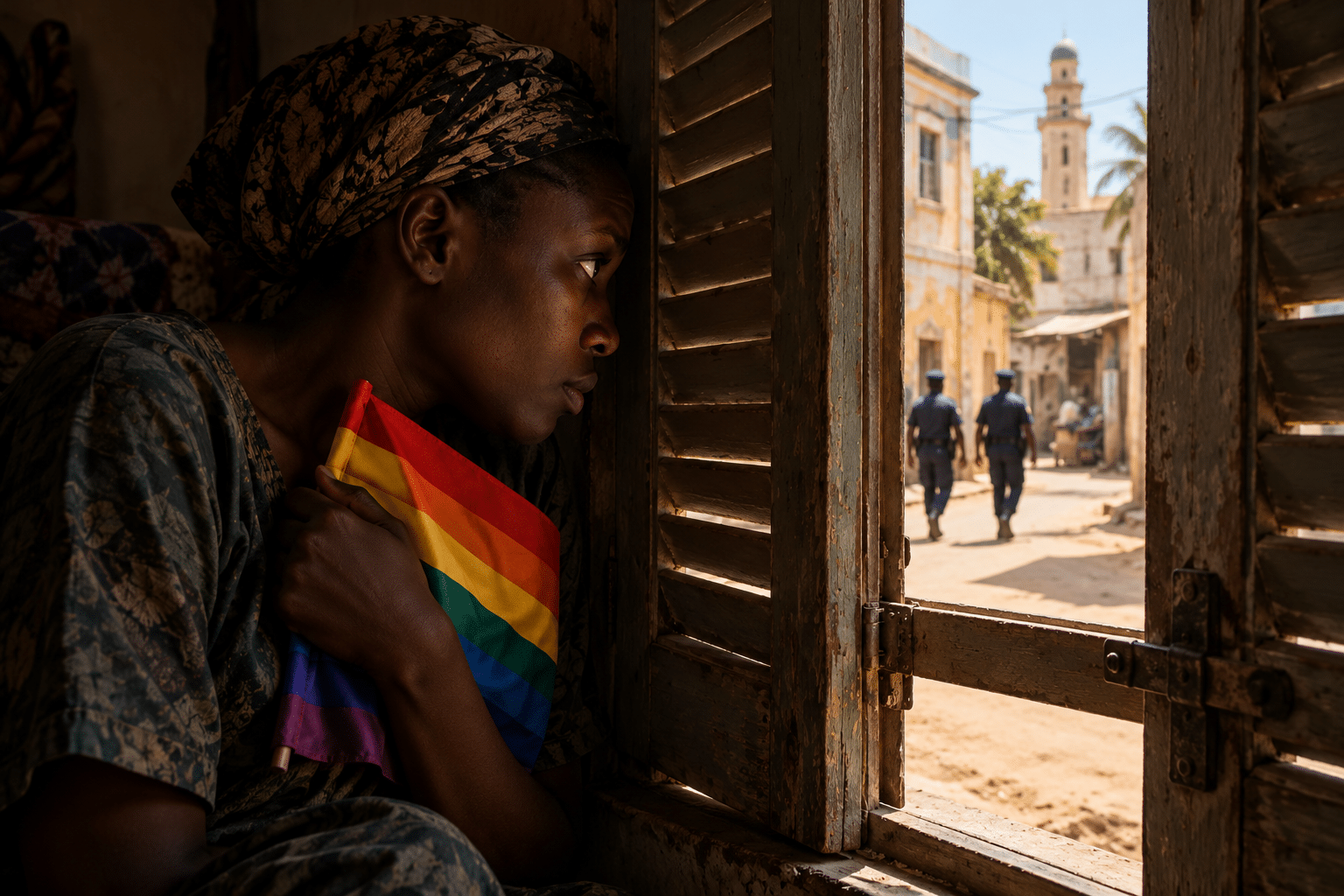
Hundreds of people have faced arrest in Senegal as an escalating crackdown drives LGBTQ+ people out of public life. Human Rights Watch reports that fear of detention and exposure has pushed people into hiding and discouraged them from seeking medical care. Meanwhile, lawyers fear that defending those arrested could expose them to repercussions themselves.
HIV Justice Network’s updated monitoring records more than 355 arrests since early February over allegations of “acts against nature.” It also reports that at least 97 people have faced charges of “voluntary HIV transmission” based solely on their HIV status. These are monitoring figures, not a verified government total, and arrests must not be confused with convictions.
Turning prejudice into prison sentences
On March 11, Senegal’s parliament voted to double the maximum prison sentence for consensual same-sex conduct to ten years. The amendments also introduced penalties of up to seven years for promoting homosexuality or supporting or financing LGBTQ+ people and organizations. President Bassirou Diomaye Faye signed the legislation on March 27.
The distinction between protecting people and policing their private lives should be elementary. Consensual intimacy between adults does not become a legitimate target for imprisonment because politicians condemn it. Nor does public hostility relieve a government of its responsibility to protect the people that hostility targets.
Furthermore, criminalizing vaguely defined support creates dangers beyond those directly accused. A society cannot promise meaningful legal protection while making people afraid to provide it. The right to a defense becomes fragile when representing an unpopular client carries the risk of being treated as an accomplice.
A diagnosis becomes an accusation
The use of HIV status in criminal proceedings makes the crackdown particularly alarming. HIV Justice Network reports forced testing and the publication of identifying information, including medical details. In an August ruling involving 99 defendants, an investigating judge dismissed HIV transmission and endangerment charges, although 71 defendants still faced proceedings over alleged same-sex conduct. Other cases have continued with HIV-related charges.
A positive HIV test does not establish that someone transmitted the virus, let alone that they did so deliberately. Moreover, people who maintain an undetectable viral load through effective treatment do not transmit HIV through sex. Treating a diagnosis as proof of wrongdoing substitutes stigma for evidence.
The consequences extend beyond the courtroom. Reuters reported in April that Senegalese government data showed HIV clinic attendance fell by 25.6 percent between January and February. Health workers linked patients’ avoidance of services to fears of arrest, exposure and abuse. Some organizations also suspended services for men who have sex with men and transgender people because of safety concerns.
Public health depends on trust. People need confidence that seeking a test or collecting medication will bring care rather than humiliation. Policies that undermine that confidence can damage the very prevention and treatment programs governments should protect.
Dignity cannot depend on popularity
Human Rights Watch says the crackdown raises serious concerns about Senegal’s compliance with its domestic and international obligations. The organization also highlights the approaching Dakar Youth Olympic Games, scheduled for October 31 to November 13, and the Olympic Charter’s commitment to nondiscrimination.
That contrast deserves international attention. Celebrating human dignity before a global audience means little if people at home must hide to preserve their safety. Senegal’s LGBTQ+ community should not have to wait for public approval to enjoy privacy, medical confidentiality and equal protection.
Authorities should end the persecution of consensual same-sex relationships and protect access to healthcare and legal representation. Any genuine allegation of violence or abuse should receive an evidence-based investigation, regardless of anyone’s sexuality. Sexual orientation itself must never serve as a substitute for evidence of harm.