We are returning to news from January 2026 because its significance deserves renewed attention. The Taliban approved a criminal regulation that recognizes people as “free” or “enslaved” and authorizes husbands and “masters” to administer certain punishments. Months later, these provisions remain a reason to scrutinize the regime’s treatment of human beings.
The document carries the bureaucratic title “Criminal Procedure Regulation of the Courts.” Yet its implications extend far beyond courtroom procedure. Amnesty International’s analysis describes a framework that institutionalizes corporal punishment, permits death sentences for numerous offenses, and fails to provide basic fair-trial guarantees. Behind the administrative language lies a system of organized repression.
Free people, enslaved people, and privileged people
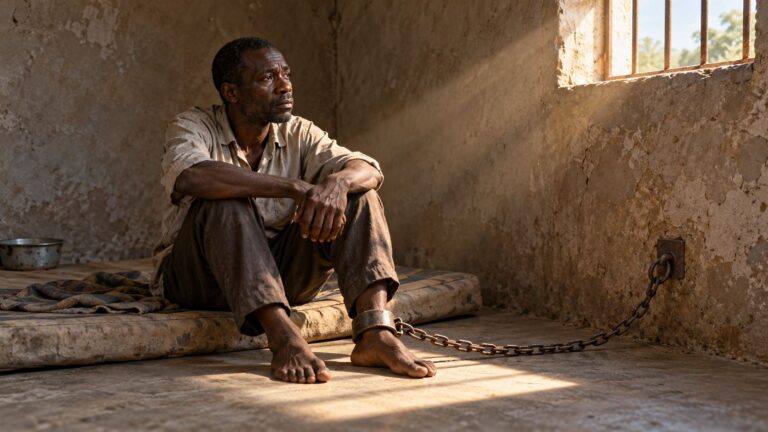
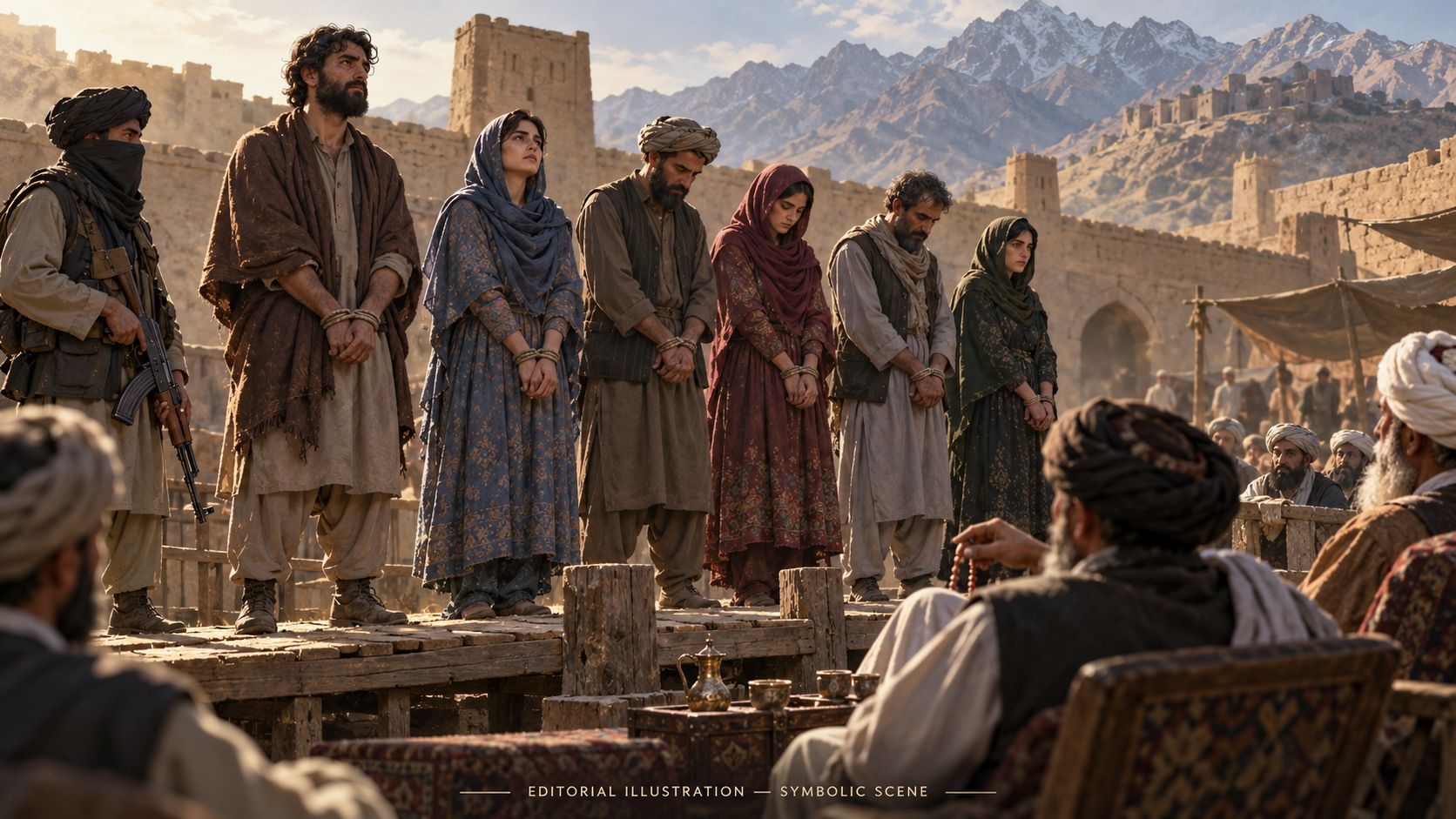
Article 15 explicitly distinguishes between free and enslaved offenders. Meanwhile, Article 4(5) gives husbands and masters authority to impose discretionary punishments. Georgetown’s Institute for Women, Peace and Security identifies these provisions as legal recognition of slavery and private coercive power.
The distinction matters. A legal system should protect people from enslavement. Here, the regulation incorporates enslaved status into its own categories. Human freedom becomes something the authorities acknowledge for some people while accepting its denial to others.
Furthermore, Article 9 grades discretionary punishment according to social standing. Religious scholars receive warnings, while other privileged figures face warnings and court summonses. People lower in the hierarchy face imprisonment or physical punishment. The regulation therefore writes social privilege directly into sentencing.
This reverses the principle of equality before the law. Status helps determine how the authorities treat an offender. The powerful receive deference, while those with fewer resources face harsher coercion.
A husband’s violence receives extraordinary protection
The regulation’s treatment of domestic violence reveals the same contempt for equality. Amnesty reports that it fails to criminalize a husband’s physical violence unless it causes broken bones, wounds, or bruises. That threshold leaves women without protection against other forms of physical abuse under this provision.
Article 32 prescribes just 15 days of imprisonment for a husband whose beating causes the specified injuries, provided his wife proves her claim. Such a penalty trivializes serious violence while placing the burden on the woman seeking protection.
A marriage does not give either partner ownership of the other. Nor should a woman have to display the physical evidence of a sufficiently severe beating before the law recognizes an offense. A system that grants husbands punitive authority makes the home another place where domination receives official support.
Religion cannot justify human ownership
Amnesty also warns that the regulation treats beliefs contrary to Sunni Islam as heretical, deepening discrimination against religious minorities. Consequently, the threat extends beyond women’s rights to freedom of conscience and equal citizenship.
The Taliban’s religious claims deserve no exemption from scrutiny. Authorities cannot make enslavement acceptable by placing it in a legal document. They cannot turn abuse into justice by calling it discipline.
Revisiting this news matters because the passage of time can make extraordinary cruelty seem routine. The distinction between free and enslaved people belongs in accounts of injustices humanity must overcome. Its appearance in a criminal regulation in 2026 demands sustained condemnation.