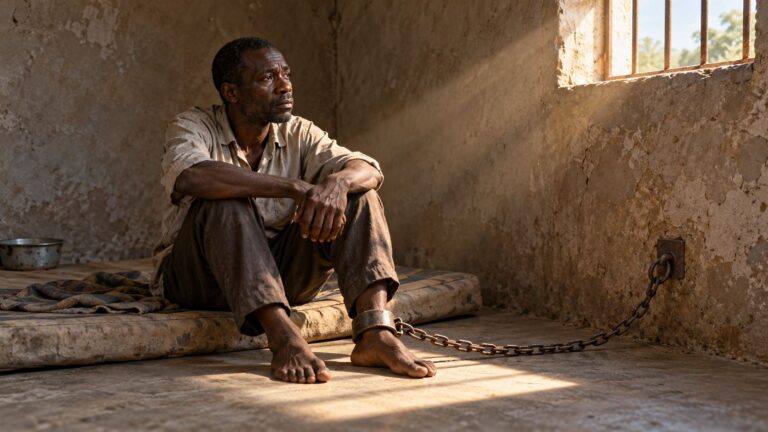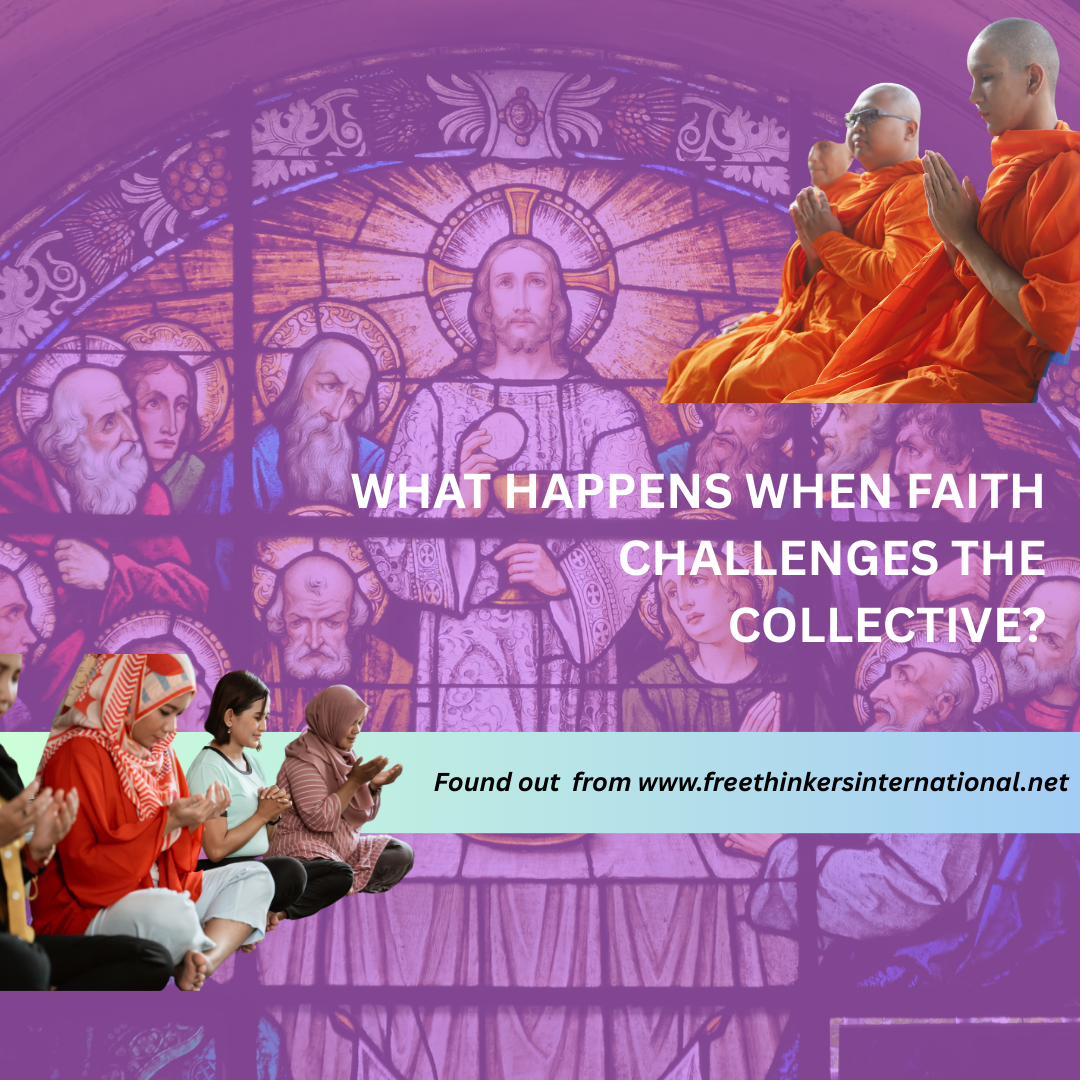
Imagine a world where questioning deeply held beliefs within your own community leads to ostracization. It sounds like a dystopian novel, but it’s a reality for some within religious groups, particularly those grappling with complex issues like Zionism. This tension, alongside evolving definitions of religious identity, underscores the intricate relationship between faith, culture, and individual autonomy.
For freethinkers, these developments present critical questions: How do we support those challenging dogma from within? And how do we ensure that definitions of religion don’t become tools of exclusion? Recent news highlights these challenges, urging us to examine the shifting sands of religion and its impact on society. This article delves into these issues, exploring the complexities of dissent within religion and the ongoing struggle for recognition of distinct identities, issues deeply resonant with the values of Freethinkers International.
Anti-Zionism and the Boundaries of Jewish Identity
The NPR article about a synagogue identifying as “anti-Zionist” throws into sharp relief the often-uncomfortable relationship between religious identity and political allegiance. For many American Jews, support for Israel is not merely a political stance, but an integral part of their religious and cultural identity. This intertwining of faith and nationhood can create significant challenges for those who hold differing political views. To be labeled “anti-Zionist” within such communities can lead to social isolation, accusations of disloyalty, and even exclusion.
This situation raises fundamental questions for freethinkers:
* Should religious identity be contingent on specific political views?
* How can we create space for diverse opinions within religious communities without silencing dissenting voices?
* What are the ethical implications of using religious authority to enforce political conformity?
The synagogue in question likely faces pressure, judgment, and perhaps even threats. Understanding the practical implications of their stance – the sermons, the community organizing, the educational initiatives – is vital. This is not just about abstract disagreement, but about the real-world consequences of challenging the dominant narrative within a powerful religious community. Freethinkers, committed to free expression and critical thinking, must support those bravely questioning established norms, while recognizing the sensitivities involved.
The Lingayat Struggle for Recognition: Redefining Religion
On the other side of the world, in Bengaluru, India, the Times of India reports on the renewed push for separate religion status for Lingayats. This community, distinct from mainstream Hinduism in its monotheistic principles and rejection of the caste system, has long sought formal recognition of its unique religious identity. The struggle for this recognition isn’t merely symbolic; it has significant implications for resource allocation, social welfare programs, and political representation.
The Lingayat case exemplifies a broader trend: the ongoing negotiation and redefinition of what constitutes a religion in the modern world. Is it defined by shared beliefs? Ritual practices? Cultural heritage? Or perhaps by a collective desire for self-determination?
The article alludes to the political consequences of the Lingayat movement, suggesting that the Congress party suffered electorally in 2018 due to its handling of the issue. This illustrates the powerful role that religion continues to play in political landscapes worldwide. For freethinkers, the key issue is not necessarily whether Lingayats *should* be recognized as a separate religion, but rather whether the state should have the power to define and categorize religious identities at all. A truly secular state protects freedom of conscience for all, regardless of official recognition.
Parallels and Pitfalls: The Danger of Dogmatic Boundaries
While seemingly disparate, the stories of the anti-Zionist synagogue and the Lingayat movement share a common thread: the tension between individual identity and group affiliation, and the challenges inherent in defining religious boundaries. Whether it’s exclusion for dissenting political views or the struggle for recognition of a distinct religious identity, the underlying issue is the potential for dogmatism and exclusion within religion.
Freethinkers must recognize the potential pitfalls of rigid definitions and enforced conformity, regardless of the specific religious context. While respecting the rights of individuals to freely associate within religious communities, we must also be vigilant against the suppression of dissent and the use of religion as a tool for social control.
Consider these points:
* Both situations involve power dynamics: dominant groups defining acceptable beliefs and practices, and marginalized groups striving for recognition and autonomy.
* Both illustrate the subjective nature of religious identity: what one group considers an integral part of their faith, another may see as a political ideology or a distinct tradition.
* Both highlight the need for critical thinking and open dialogue: challenging assumptions, questioning authority, and promoting understanding across different perspectives.
The news headlines concerning the “anti-Zionist” synagogue and the Lingayat community remind us that religion is not a static entity, but a constantly evolving landscape shaped by social, political, and cultural forces. As freethinkers, we have a crucial role to play in fostering critical engagement with these issues. By supporting those who challenge dogma from within, by advocating for the separation of church and state, and by promoting critical thinking and open dialogue, we can help create a more inclusive and tolerant world for all. Ultimately, the challenge lies in navigating the fault lines of belief with empathy, intellectual honesty, and a unwavering commitment to individual freedom and autonomy. Are we willing to challenge the comfortable assumptions that underpin our own views on religion and identity, and to actively support those who dare to question the status quo?
Share your thoughts in the comments and let’s continue the conversation. Join the discussion in our Freethinkers community!