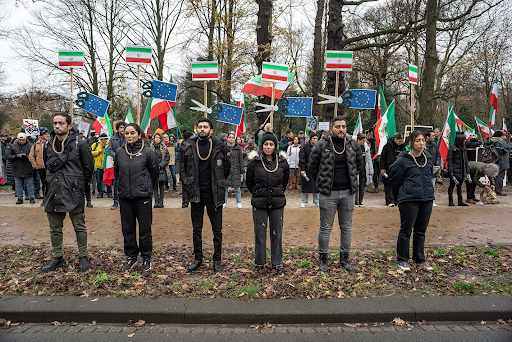
Iran has carried out at least 901 executions in 2024, marking the highest number since 2015 and sparking renewed global concern over its use of capital punishment. The sharp increase, up from 853 executions in 2023, has drawn condemnation from human rights organizations and the United Nations, particularly for targeting political dissidents and protesters.
Escalating Execution Numbers
The 901 executions in 2024 represent a significant surge, making Iran the world’s second-highest executioner after China. Human rights groups highlight that drug-related offenses accounted for most of these cases, despite international pressure to reform Iran’s strict anti-drug laws.
Targeting of Political Dissidents
Beyond drug-related cases, Iran has executed individuals linked to the 2022 protests that erupted after the death of Mahsa Amini in police custody. Rights groups argue that the regime is using the death penalty as a tool to silence dissent, with reports of politically motivated trials and forced confessions preceding many executions.
Executions of Women at a 15-Year High
At least 31 women were executed in 2024, the highest number recorded in over 15 years. Many of these cases involved women convicted of murder, often stemming from domestic violence or forced marriages. Advocates argue that many women on death row acted in self-defense but faced harsh judicial outcomes in a system that rarely acknowledges gender-based violence.
International Outcry and Calls for Reform
The UN High Commissioner for Human Rights, Volker Türk, has urged Iran to halt executions and impose a moratorium on capital punishment. International bodies continue to stress that Iran’s judicial system lacks transparency and due process, raising concerns about wrongful convictions and politically motivated executions.
Human Rights and Legal Concerns
Iran’s extensive use of the death penalty has long been criticized as incompatible with international human rights norms. The UN has reiterated its opposition to capital punishment under all circumstances, citing its irreversibility and the risk of executing innocent people. The continued rise in executions underscores broader concerns about Iran’s legal system and its commitment to human rights obligations.
As the world watches, human rights defenders call for increased diplomatic pressure to curb Iran’s execution practices and push for judicial reforms. Without intervention, Iran’s use of capital punishment will remain a significant global concern.
Join us in promoting freethought: Subscribe.