As the world turns its attention to crises in familiar hotspots, the Democratic Republic of Congo (DRC) has once again erupted into violence, dragging with it questions of sovereignty, regional politics, and human rights that demand a closer look from freethinkers and secularists alike.
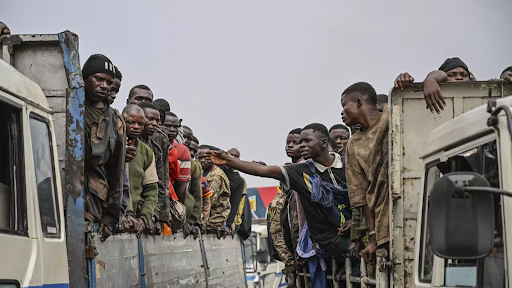
Since early 2025, the eastern region of the DRC has been gripped by escalating conflict, with the M23 rebel group—backed by neighboring Rwanda—at its center. The capture of Goma, a major city in North Kivu province, between January 23 and January 30 marked a turning point, both militarily and morally. The rebels declared a unilateral ceasefire on February 4, citing humanitarian concerns. But this gesture leaves more questions than answers: Is this a genuine attempt at peace, or a strategic pause to consolidate power?
The human cost is staggering. Hundreds of thousands have been displaced since the start of the year, with mounting calls for humanitarian corridors to ensure safe passage for civilians fleeing the violence. But beyond the immediate tragedy lies a deeper, more uncomfortable question: Why does the international community consistently fail to address the cyclical violence in the DRC with the urgency it warrants?
Diplomatic fallout has been swift. The DRC severed ties with Rwanda over its alleged support for M23, and both countries have recalled their diplomats. Previous mediation attempts under the Luanda process collapsed as fighting resumed despite earlier agreements. With regional stability hanging by a thread, there are renewed calls for international intervention—but can external forces truly broker lasting peace in a region fraught with complex historical grievances and power struggles?
Human rights organizations have raised alarms over civilian casualties, mass displacement, and credible reports of Rwandan forces directly supporting M23 operations. For freethinkers, these allegations present a critical point of reflection: How do we hold nations accountable when geopolitical interests overshadow human rights? And how do we navigate the fine line between respecting national sovereignty and intervening in the face of humanitarian crises?
This is not just a regional issue—it’s a global one. The DRC’s rich mineral resources, vital to the world’s tech industries, add another layer of complexity to this conflict. Are economic interests blinding the international community to the human suffering unfolding in the region?
For secularists and freethinkers, the DRC crisis is a stark reminder of the need to question narratives, challenge political complacency, and advocate for policies grounded in human rights and ethical responsibility.
Join us in promoting freethought: Subscribe.