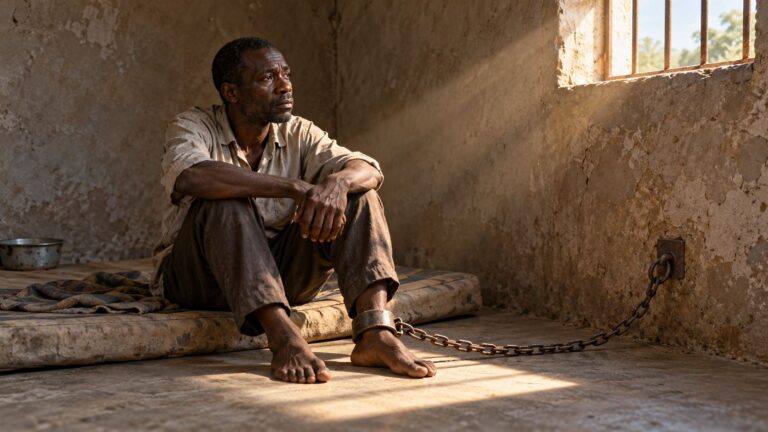
Gender-based violence (GBV) remains one of the most pervasive human rights violations across Africa, highlighting the deep entrenchment of patriarchal norms and systemic discrimination. For freethinkers and secularists, this crisis raises fundamental questions: How do we reconcile modern principles of human rights with the persistence of archaic, harmful traditions? Can secularism provide a stronger framework for gender equality, free from religious and cultural justifications for violence?
The Persistent Crisis: A Regional Analysis
In West and Central Africa, the problem is deeply ingrained. GBV is not just an issue of personal violence but a structural one, fueled by gender inequality, religious dogma, and harmful social norms. In conflict zones like Burkina Faso and Mali, sexual violence is used as a weapon of war. The prevalence of child marriage and female genital mutilation (FGM) is exacerbated by political instability and poverty. What role do faith-based ideologies play in perpetuating these injustices, and can secular values help dismantle them?
Meanwhile, in South Africa, a nation with progressive laws, the paradox is striking. Despite having one of the most comprehensive legal frameworks addressing GBV, it also holds one of the highest rape rates globally. The National Council on Gender-Based Violence and Femicide Act was meant to be a turning point, yet its implementation has been slow. The question for secularists: Why do laws alone fail to shift societal behavior? Is it time to rethink how deeply entrenched cultural beliefs influence violence against women?
The Role of Secularism in Combating GBV
Freethinkers have long argued that secular governance—free from religious and traditional biases—is essential for achieving true gender equality. However, many African nations maintain legal systems where religious and customary laws coexist with civil law, often undermining women’s rights. Even when progressive legislation is passed, religious and cultural resistance hinders enforcement.
The African Union (AU) has taken steps by advocating against GBV through policy dialogues and The African Union Convention on Ending Violence Against Women. However, its effectiveness remains questionable in regions where religious fundamentalism holds sway. Should secularists push for a more aggressive separation of religion and state to ensure women’s rights are upheld? Or does this risk alienating communities that view these traditions as intrinsic to their identity?
Global Implications and the Role of the Freethinking Movement
Beyond Africa, GBV intersects with broader global crises, particularly forced displacement. Over 60 million women and girls worldwide are forcibly displaced or stateless, leaving them disproportionately vulnerable to violence. This raises another pressing question: How do we protect the rights of women in societies where legal frameworks are weak and religious dogma dominates?
For freethinkers, the challenge is clear: how do we shift the conversation from mere policy to real societal change? How can secular activism better support the rights of women and girls facing violence? Should the movement engage more directly with grassroots organizations that challenge harmful traditional practices?
A Call for Critical Engagement
The fight against GBV in Africa is not just about changing laws—it is about changing minds. It requires challenging the institutions and belief systems that uphold violence as an accepted norm. It demands that secularists, feminists, and human rights advocates unite in calling for a rational, rights-based approach to governance—one that prioritizes gender equality over religious appeasement.The conversation is far from over. What do you think? Should freethinkers take a more radical stance against religious and cultural justifications for GBV? Or is a more nuanced, community-driven approach the key to sustainable change?