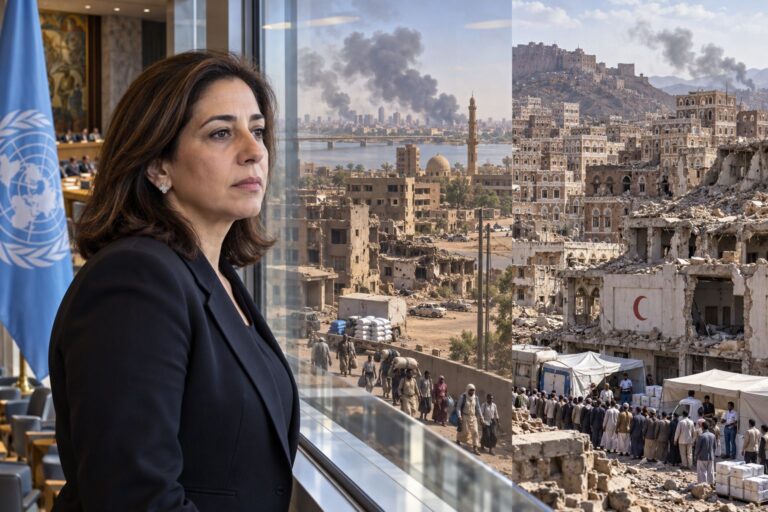
Secularism in the Middle East has long been a contested idea, fluctuating between dominance and decline. The region’s historical trajectory has been shaped by the interplay of religious and political forces, with secularism often emerging in response to colonial influences, nationalist movements, and modernization efforts. While many of the region’s early nationalist movements embraced secular governance, the rise of political Islam, foreign interventions, and authoritarian rule have eroded its influence. Moreover, the association of secularism with oppressive regimes has led to its delegitimization in the eyes of many Middle Eastern populations. The fundamental question remains: does secularism have a future in the Middle East, or is the region destined to remain under the grip of religious politics? To understand this, one must examine its historical development, challenges, and contemporary transformations.
1. Historical context: Secularism in the Middle East
The roots of secularism in the Middle East trace back to the late Ottoman period and the early 20th century. Influenced by European modernization and the decline of the Ottoman Caliphate, many leaders sought to establish strong secular states as a means of national consolidation. Mustafa Kemal Atatürk in Turkey spearheaded one of the most ambitious secularization projects, abolishing the caliphate, banning religious institutions from politics, and imposing Western-style legal and educational reforms. Similarly, Gamal Abdel Nasser in Egypt pursued a socialist-secular model that sought to diminish religious influence in governance.
In Iraq and Syria, the Ba’athist regimes of Saddam Hussein and Hafez al-Assad enforced secularism through strict authoritarian measures, suppressing political Islam while promoting a nationalist ideology. However, these secular systems were largely imposed from the top down, lacking grassroots support. Many populations remained deeply religious, and the absence of democratic governance meant that secularism became associated with oppressive rule rather than genuine societal reform. The inability of these regimes to reconcile secular governance with democratic legitimacy ultimately weakened secularism’s credibility and made it vulnerable to backlash.
2. The rise of political Islam
The decline of secularism in the Middle East was exacerbated by a combination of political failures, economic crises, and external interventions that created openings for Islamist movements. One of the most significant turning points was the Iranian Revolution of 1979, which replaced a secular monarchy with an Islamist theocracy, inspiring Islamist movements across the region. The revolution demonstrated that political Islam could serve as a powerful mobilizing force against Western-backed secular regimes, shifting the ideological landscape of the Middle East.
The political failures of secular nationalist regimes further fueled the appeal of Islamism as an alternative force. Corrupt and autocratic rulers such as Mubarak in Egypt and Ben Ali in Tunisia were seen as out of touch with the realities of their people, failing to provide economic stability and social justice. Islamist movements like the Muslim Brotherhood capitalized on these grievances, presenting themselves as authentic representatives of the people who could restore justice through the integration of religion into governance.
Hezbollah in Lebanon and Hamas in Palestine also gained traction by positioning themselves as defenders of the Muslim world against Western-backed aggression. Their success demonstrated that Islamist movements could function as both political and military entities, further reinforcing the perception that secular governance was weak and incapable of defending national interests. As a result, the region witnessed a steady increase in political Islam, with democratic elections in some countries, such as Egypt in 2012, resulting in Islamist-led governments.
3. External and internal challenges to secularism
Secularism in the Middle East has faced numerous internal and external challenges:
-
Economic instability and corruption: Many secular regimes failed to deliver economic prosperity, leading to disillusionment and a turn to religion as a source of justice and stability.
-
The role of Gulf states: Countries like Saudi Arabia and Qatar have spent billions promoting their brands of political Islam, funding religious movements and institutions that counter secular ideals.
-
The detrimental Western influence:
-
Colonial legacy: Western-imposed borders and policies sowed sectarian divisions, weakening stable secular governance.
-
Support for authoritarian leaders: The U.S. and Europe backed secular strongmen such as the Shah of Iran and Mubarak of Egypt, creating a perception that secularism is linked to oppressive foreign-backed rule.
-
Military interventions: The Iraq War (2003), the NATO-led intervention in Libya (2011), and the ongoing proxy conflicts in Syria have destabilized secular institutions, allowing Islamist movements to rise in their place.
-
Contradictory policies: While Western powers claim to support democracy, they have often aligned with Islamist factions for strategic purposes, such as supporting Mujahideen fighters in Afghanistan or certain rebel groups in Syria.
- The U.S. and the Arab Spring: Many have argued that the Arab Spring uprisings were not purely organic but rather influenced and even orchestrated by the U.S. to destabilize regimes that were no longer serving Western interests. The rapid spread of protests, the involvement of U.S.-funded NGOs, and the media’s framing of the uprisings as a democratic revolution suggest a coordinated effort to reshape the Middle East in alignment with Western geopolitical goals. While these uprisings led to the removal of some authoritarian leaders, they also created power vacuums that Islamists quickly filled, further undermining secularism.
-
4. Current trends: Secularism in decline or transformation?
The Arab Spring of 2011 initially gave hope for a secular resurgence, but the results have been mixed. Tunisia emerged as a rare success story, managing to maintain a secular democratic system despite challenges. However, even Tunisia has struggled to balance secularism with religious influences, as Islamist parties like Ennahda continue to wield significant influence in politics.
Meanwhile, Turkey, once a bastion of secularism, has seen a steady erosion of its secular institutions under Recep Tayyip Erdoğan. Through constitutional reforms, Erdoğan has consolidated power, reversing many of Atatürk’s secular policies and promoting a more Islamist-oriented governance model. The shift in Turkey serves as a cautionary tale for the fragility of secular institutions when faced with determined political Islamists.
In other countries, such as Egypt and Syria, secularism remains tied to military rule, limiting its credibility among the populace. The military-backed government in Egypt, led by Abdel Fattah el-Sisi, has presented itself as a protector of secularism, but its heavy-handed suppression of opposition, including Islamists and liberals alike, has led many to view it as just another form of authoritarianism rather than a true proponent of secular governance. In Syria, Bashar al-Assad’s secular Ba’athist regime continues to struggle against a fragmented opposition, many of whom espouse Islamist ideologies.
At the same time, there are growing signs of social secularization. Younger generations, especially in urban centers, are increasingly questioning religious authority, favoring personal freedoms, and engaging in secular cultural expressions. Social media and global connectivity have played a significant role in this shift, allowing exposure to alternative worldviews that challenge traditional religious narratives. However, without strong political structures to support this transformation, the rise of social secularism may not necessarily translate into secular governance.
5. The role of young generations and social change
Despite the political setbacks, there is a growing secular sentiment among younger generations in the Middle East. Increased internet access, exposure to global culture, and dissatisfaction with religious extremism have led many young people to adopt secular attitudes in their personal lives, even if they cannot express them openly in politics. Movements advocating for women’s rights, LGBTQ+ rights, and freedom of expression have challenged traditional religious norms, indicating a potential future shift toward secular values.
6. Future scenarios for secularism
Secularism in the Middle East could evolve in several ways:
- Revival through reform: A moderate secularism that coexists with religion could emerge, particularly in states that prioritize economic and social stability over strict religious rule. This would require reforms that allow for secular governance while maintaining a role for religious identity in cultural and personal matters. Countries like Tunisia have attempted this approach, but sustained efforts will be needed to protect secular rights in an environment where Islamist influence remains strong.
- Continued decline: If authoritarian and Islamist movements continue to dominate politics, secularism could be further marginalized. The erosion of secular institutions, combined with continued restrictions on freedom of speech and political dissent, would reinforce the dominance of religious governance. This scenario could see an increase in the use of religious laws, further restricting personal freedoms and limiting political pluralism.
- Hybrid models: Some countries, like Tunisia and Lebanon, may maintain a balance between religious influence and secular governance, creating a middle ground that neither fully embraces nor rejects secularism. These models could see secular legal frameworks coexist with religious courts in family law or other personal matters. However, this hybrid system poses risks, as the balance could easily tilt in favor of religious conservatism, undermining secular principles over time.
- Influence of grassroots movements: Secular movements may increasingly rely on grassroots activism, particularly among younger generations advocating for civil liberties, gender equality, and freedom of expression. The internet and social media have played a crucial role in spreading secular ideas, and continued digital engagement may shape the political discourse in the coming years.
- Impact of economic and social development: Economic instability has historically contributed to the rise of religious extremism, while prosperity and educational advancements often lead to greater secularization. If Middle Eastern economies improve and educational systems promote critical thinking over dogma, secularism could experience a revival in the long term.Secularism in the Middle East could evolve in several ways:
- Revival through reform: A moderate secularism that coexists with religion could emerge, particularly in states that prioritize economic and social stability over strict religious rule.
- Continued decline: If authoritarian and Islamist movements continue to dominate politics, secularism could be further marginalized.
- Hybrid models: Some countries, like Tunisia and Lebanon, may maintain a balance between religious influence and secular governance, creating a middle ground that neither fully embraces nor rejects secularism.
7. The role of international forces
Western powers continue to play a crucial role in shaping the region’s secular trajectory:
-
Should the West support secularism? Western interventions have often backfired, creating more instability. Direct promotion of secularism may be counterproductive, but policies that support civil society, education, and human rights could help secular ideas take root organically.
-
China and Russia’s influence: Russia has historically supported secular strongmen like Bashar al-Assad but does not promote democratic secularism. China, focused primarily on economic expansion, may exert influence by stabilizing authoritarian regimes, whether secular or religious.
- The impact of Israel and regional conflicts: Ongoing conflicts, particularly involving Israel and Palestine, continue to radicalize political movements, making it difficult for secular ideologies to gain traction in an environment dominated by religious nationalism.
8. Western soft power melting
The traditional soft power of the West—rooted in ideals of democracy, human rights, and secularism—is weakening in the Middle East. Years of failed interventions, support for dictators, and perceived hypocrisy have eroded the credibility of Western-backed secularism. While Western media, academia, and cultural influence still shape social attitudes, their ability to drive political secularization has significantly declined. In contrast, regional players like Turkey, Iran, and Saudi Arabia have become more influential in shaping ideological trends, often in opposition to secularism.
9. Prognosis: What will happen in the next decades?
-
Short-term (5–10 years): Secularism will remain on the defensive, with authoritarian and Islamist movements holding the upper hand. However, social secularization may continue to grow, particularly among the youth.
-
Medium-term (10–20 years): Economic pressures, generational shifts, and geopolitical changes may lead to the emergence of more hybrid models of governance. If secularism gains traction, it will likely be through gradual reforms rather than abrupt revolutions.
- Long-term (20+ years): The future of secularism will largely depend on economic and social conditions. If prosperity and education improve, secular governance may see a resurgence. If instability continues, religious authoritarianism may persist.
Conclusion
Secularism in the Middle East is at a crossroads. While political secularism faces significant challenges, social secularism is on the rise among younger generations. The region’s future will depend on whether governments can balance religious identity with modern governance. Western influence, once a major factor in promoting secularism, is now in decline, and the battle for the region’s ideological direction will largely be fought from within. Whether the Middle East embraces a secular future or continues on its current trajectory remains uncertain, but the forces shaping this decision are already in motion.