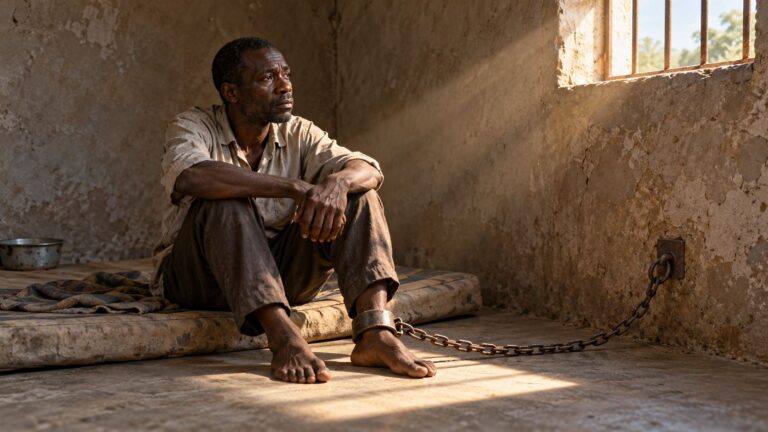
On January 14, 2025, Sihem Bensedrine, a 74-year-old human rights advocate and former head of Tunisia’s Truth and Dignity Commission, began a hunger strike to protest her prolonged detention. For nearly six months, Bensedrine has languished in pre-trial detention on charges of fraud and forgery—accusations many have dismissed as politically motivated. Her case, emblematic of Tunisia’s escalating authoritarianism, raises questions that demand the attention of freethinkers and secularists worldwide.
Bensedrine’s detention is rooted in allegations that she falsified parts of the Commission’s final report, which documented decades of human rights abuses and corruption between 1955 and 2013. Her defenders argue that these charges are little more than judicial harassment, a thinly veiled attempt to discredit her efforts to hold Tunisia’s powerful elite accountable. Human Rights Watch and other organizations have decried her detention as a grave injustice, calling for her immediate release.
Yet, the stakes of Bensedrine’s hunger strike go beyond her personal plight. It began on the anniversary of Tunisia’s 2011 revolution, a symbolic date that evokes the country’s fleeting embrace of democratic ideals. That revolution, hailed as the Arab Spring’s lone success story, now feels like a distant memory. Under President Kais Saied, Tunisia has witnessed the erosion of democratic institutions, the silencing of dissent, and the targeting of activists like Bensedrine.
The Anatomy of Retaliation
Freethinkers, particularly those committed to secular governance and human rights, must grapple with the chilling implications of Bensedrine’s case. At its heart, her detention represents a calculated assault on the very concept of accountability. The Truth and Dignity Commission’s work—investigating atrocities and offering redress to victims—posed a direct threat to entrenched power structures. By targeting Bensedrine, the Tunisian government seeks not only to undermine her but also to delegitimize the broader struggle for justice.
This crackdown is not unique to Tunisia. Across the globe, authoritarian regimes have increasingly weaponized the judiciary to stifle opposition. Bensedrine’s plight is a stark reminder of the fragility of transitional justice in environments hostile to transparency. Freethinkers must ask: how can systems of accountability endure when they are so easily subverted by those in power?
The Ethics of Resistance
Bensedrine’s hunger strike also forces us to confront ethical dilemmas around resistance. Her decision to put her health at risk—a deeply personal and political act—is a testament to her unwavering commitment to justice. But it also highlights the desperation of activists facing regimes that brook no dissent. Is self-sacrifice an effective tool for change, or does it risk becoming a futile gesture in the face of overwhelming oppression?
This question is especially pertinent for secularists, who often champion reason over martyrdom. Yet, history is replete with examples of hunger strikes—from Mahatma Gandhi to Bobby Sands—that galvanized movements and reshaped public consciousness. Will Bensedrine’s strike serve as a rallying cry for Tunisians and the international community, or will it fade into the annals of forgotten protests?
A Call to Action
As of today, Bensedrine’s health is deteriorating. A judge is set to decide whether her pre-trial detention will be extended, a ruling that could either exacerbate tensions or offer a glimmer of hope. Demonstrations in her support have already erupted, reflecting widespread discontent with Tunisia’s political trajectory. For freethinkers and secularists, her case is not just a Tunisian issue; it is a global litmus test for the resilience of human rights in the face of authoritarianism.
What can be done? International solidarity is crucial. Governments and human rights organizations must exert pressure on Tunisia to release Bensedrine and address the broader crackdown on dissent. Freethinkers, in particular, have a responsibility to amplify her story, using it as a lens to examine the intersection of power, justice, and resistance.
Bensedrine’s hunger strike is a clarion call for all who value accountability and human dignity. It challenges us to reflect on the cost of fighting for justice and the moral obligations we bear as global citizens. Will we heed this call, or will we stand by as the ideals of the Arab Spring are consigned to history’s graveyard?