I was much younger then, but some memories do not fade; they only grow heavier. It has been over ten years since it happened in my neighborhood here in Northern Nigeria, but I can still hear the noise.
The Accusation
An elderly woman, a frail grandmother who had lived among us for years, was dragged out of her home. Her crime? She was accused of “catching” a younger woman—a local term for bewitching someone using spiritual powers. The accusers had no medical report, no physical evidence, and no logic. All they had was the hysterical word of a spiritualist and the collective fear of the crowd.
When Superstition Overpowers the Law
What haunts me most about that day is not just the violence, but the helplessness of the law. The police arrived. They tried to intervene. But the mob was too large, too angry, and too intoxicated by religious and traditional fervor. The officers were overwhelmed and forced to retreat.
In that terrifying moment, I realized a hard truth about my society: when people are blinded by dogma, superstition becomes stronger than the law.
The Stone
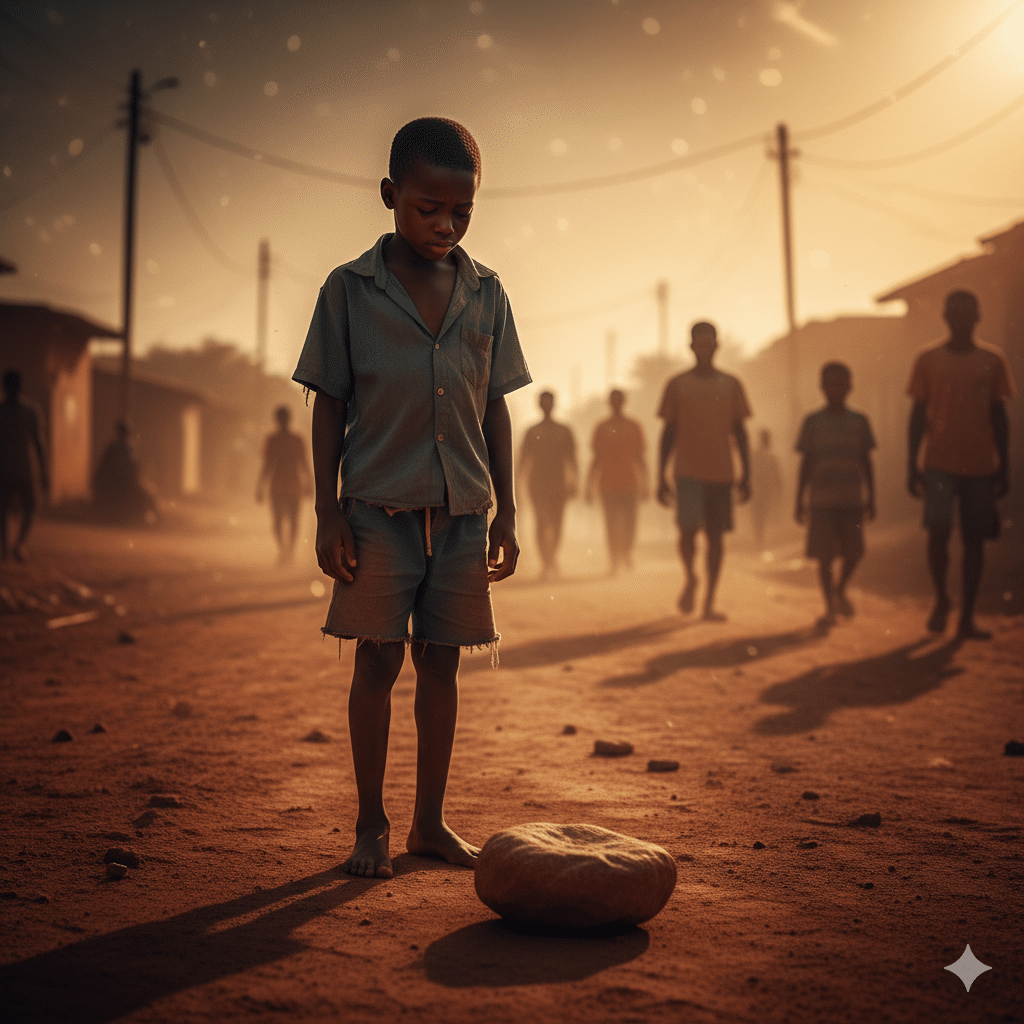
They stoned her.
Stoning is a horrific, slow, and personal way to kill. Every person who picked up a stone believed they were doing “God’s work” or protecting the community from evil. They did not see a human being, a mother, or a neighbor. They saw a monster created by their own lack of critical thinking.
The Birth of a Freethinker
That day, as I watched an innocent life extinguished, something changed in me. I realized that belief without reason is a weapon. I realized that until we replace superstition with science, and dogma with logic, no one is safe.
Ten years have passed. The stones are gone, but the mindset remains. I write today not just to mourn her, but to challenge the darkness that killed her. We must build a society where a headache is treated by a doctor, not by killing a neighbor.
This memory is why I am a freethinker. I refuse to accept a world where innocence is murdered in the name of tradition.
Author’s Note:
Irfan Bayei is a Nigerian activist and writer. He shares this personal story to highlight the urgent need for intellectual liberation and the protection of human rights in Africa.