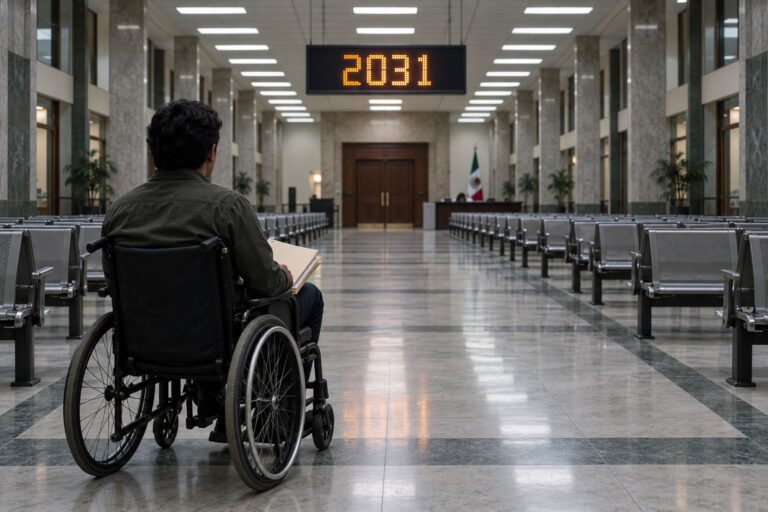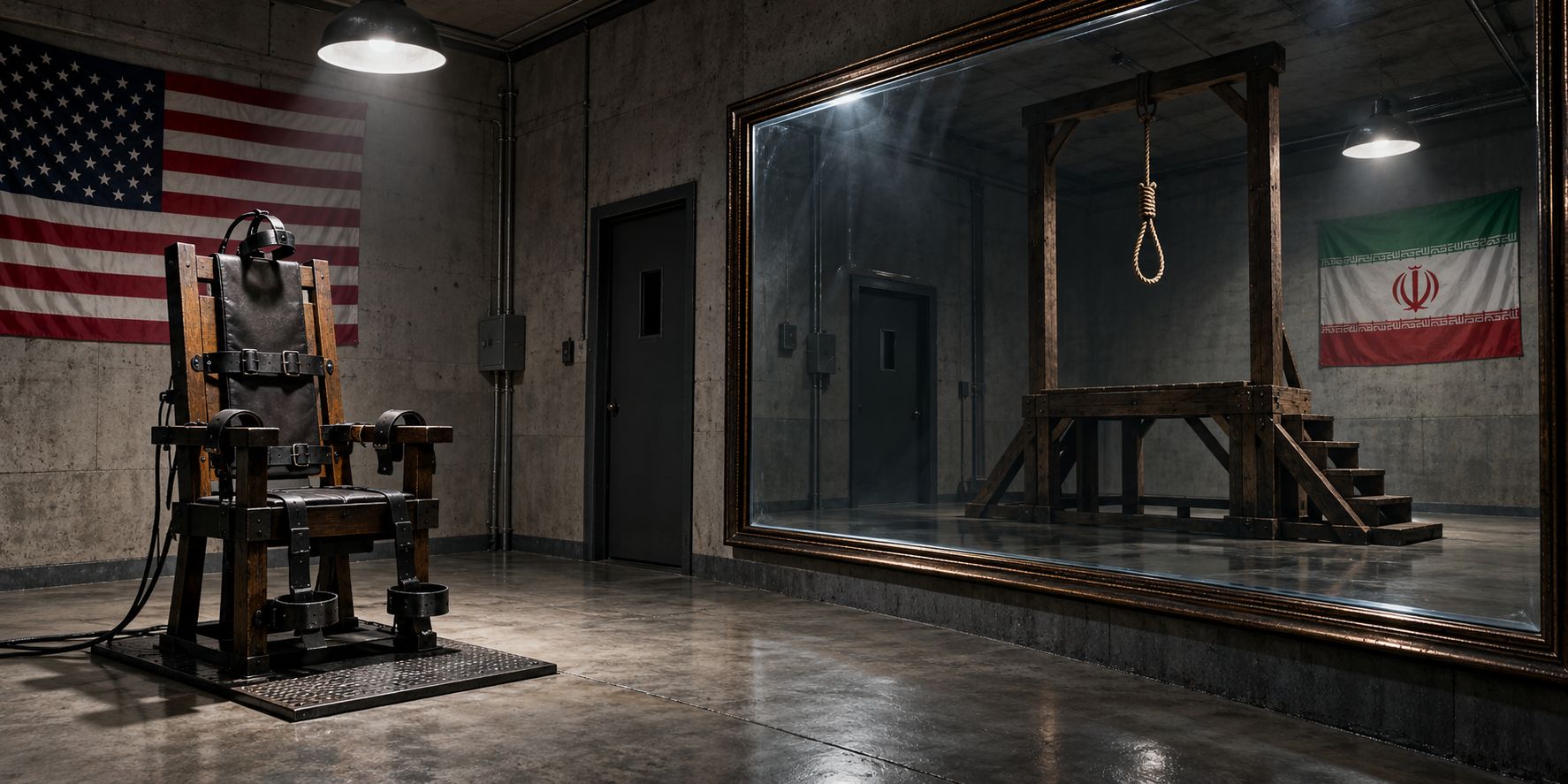
Iran’s execution machine operates on a scale that should provoke relentless international condemnation. Yet Washington’s own attachment to capital punishment raises an uncomfortable question: how convincingly can American leaders challenge the normalization of state killing abroad while celebrating executions at home?
There have been American objections, including forceful statements. However, those interventions should be the beginning of a sustained campaign to protect prisoners, not an excuse to consider the matter addressed. Iran’s authorities continue to send people to their deaths while the world’s attention moves elsewhere.
An execution machine measured in thousands
According to figures from the rights monitoring organization HRANA, reported by Iran International, Iran executed at least 2,003 people between October 10, 2025, and October 8, 2026. That represents roughly five or six executions every day. The organization reported 47 women among those executed, alongside four people who were under 18 when their alleged offenses occurred. Approximately 36 percent of the executions concerned drug offenses.
These figures cover multiple categories of convictions, not exclusively political prisoners. Nevertheless, the evidence of political killing is devastating. Human Rights Watch and the Abdorrahman Boroumand Center documented at least 59 executions following politically motivated or vaguely defined national security charges between March 18 and the end of August 2026. At least 29 involved people arrested over the December–January protests.
The organizations described rushed proceedings, coerced confessions and denial of meaningful legal defense. In 16 of those 29 protest-related cases, the capital charges did not even involve allegations of killing. This is a machinery of intimidation operating through courts and prisons, with death used to discipline the living.
American objections exist. They must go further
It would be inaccurate to claim that American politicians have said nothing. Senator Chris Murphy explicitly condemned Iran’s public executions in December 2022. More recently, 64 Republican and Democratic House lawmakers urged Secretary of State Marco Rubio to address executions and political repression, calling for public condemnation, diplomatic pressure and sanctions against responsible officials.
Nor can Trump’s own statements simply be erased. In January, he threatened strong action if Iran executed protesters. He subsequently claimed that Tehran had canceled planned mass hangings, although Reuters reported that Iran had not confirmed his claim. Those were significant presidential interventions, not silence.
Nevertheless, episodic threats and congressional appeals do not settle the question of political priorities. The appropriate demand is sustained, explicit pressure from the president and other senior leaders: name the prisoners, demand that executions stop, and keep their cases visible after the headlines fade.
Given the U.S.–Iran war, reluctance to offend Tehran would be an especially weak moral excuse. War does not eliminate diplomatic risks, and nobody can honestly guarantee that stronger rhetoric carries no consequences. But defending prisoners does not require another bombing campaign. It requires treating their lives as a central concern rather than a supporting argument in a geopolitical confrontation.
America nearly put an execution on screen
Washington’s credibility faces another problem at home. Defense Secretary Pete Hegseth announced plans to livestream the firing-squad execution of Nidal Hasan, convicted of the Fort Hood mass shooting. Trump canceled the broadcast on October 15 after a backlash, while maintaining his support for the execution itself.
That reversal matters. So does the fact that a public execution broadcast became a serious proposal at the highest levels of American government. A government seeking moral authority against Iran’s public killings should never have needed a national argument about whether its own execution should become a livestream.
Americans are divided on execution, but much less divided on broadcasting it. An October ABC News–Washington Post–Ipsos poll found that 53 percent supported Hasan’s execution by firing squad, including about eight in ten Republicans. Meanwhile, approximately eight in ten Americans opposed livestreaming it. Supporting the death penalty and wanting to watch someone die are different positions.
This domestic support may make some politicians less comfortable challenging capital punishment as a principle. That is a plausible political explanation, not an established account of Trump’s motives. Opposition to Iran’s political executions remains entirely compatible with supporting executions for murder, even if abolitionists reject both.
Still, American leaders should confront the moral limits of their own enthusiasm. Iran’s persecution and American criminal proceedings are not interchangeable. But condemning judicial cruelty abroad becomes less convincing when officials at home promote death as a spectacle.
Iran’s prisoners deserve more than selective outrage. Their lives should matter regardless of whether defending them serves American strategy—and regardless of how many American voters applaud executions of their own.