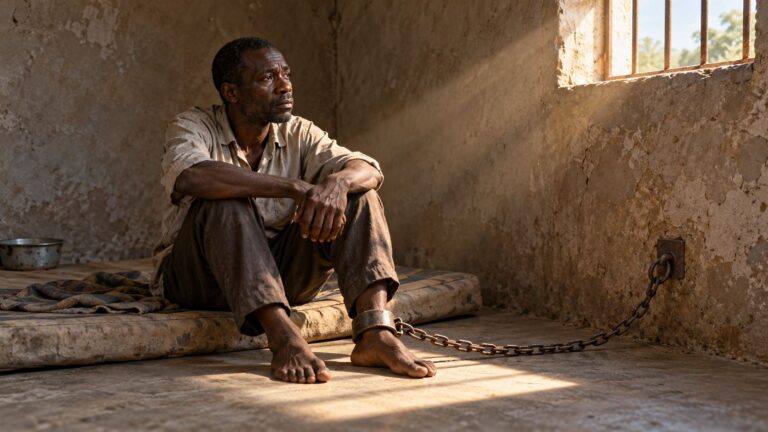
A young man posted a Facebook comment, deleted it, and apologized. Now he faces execution in Saudi Arabia. According to Amnesty International, 24-year-old Sri Lankan migrant worker Anojan Sivarasa received a death sentence after authorities prosecuted him for a comment they considered insulting to the Prophet Muhammad.
Saudi authorities arrested Sivarasa on July 1, 2026. On July 27, a court in Al Ahsa sentenced him to five years in prison and a fine of three million Saudi riyals, approximately $800,000. Then, on September 17, an appeals court increased the punishment to death.
Amnesty publicized his case on October 7. The organization says authorities denied him access to a lawyer from his arrest until his initial sentencing. Sivarasa has appealed the death sentence.
An apology could not protect him
According to Amnesty, Sivarasa told the judge that he wrote the comment in anger. He subsequently removed it and published a video expressing remorse. Nevertheless, the prosecution continued, and the appeals court imposed death as a mandatory punishment under its interpretation of Islamic law.
His apology makes the outcome particularly chilling. However, freedom of expression should never depend on whether someone retracts an offensive opinion. A person should not have to persuade a court that their remorse is sincere to escape punishment for criticizing or insulting a religion.
Religious believers deserve protection from violence, discrimination, and persecution. Their beliefs must remain open to disagreement, ridicule, and rejection. Otherwise, governments gain the power to decide which ideas people may challenge—and which objections can cost them their freedom or their lives.
When religious offense becomes a capital crime
The fundamental question is whether a government should punish someone for offending religious sensibilities at all. Reducing a death sentence to years behind bars would still leave a person imprisoned for expression that Amnesty says should never have been criminalized.
Nor should the discussion turn on whether Sivarasa’s comment was polite, thoughtful, or justified. Defending his freedom does not require endorsing what he wrote. The protection matters precisely because people disagree about what is offensive, sacred, or acceptable.
For a secular society, the principle should be straightforward: no religion should possess the power of criminal law to shield itself from criticism. That principle protects Muslims, Christians, Hindus, atheists, and everyone else from governments enforcing someone else’s religious convictions.
Overturn the conviction
Amnesty is calling for Saudi Arabia to overturn Sivarasa’s conviction and release him immediately and unconditionally. Its demand deserves support beyond organizations that already oppose the death penalty.
Governments, religious leaders, and defenders of free expression should be able to agree that an offensive comment cannot justify taking a human life. Sivarasa’s case demands that they say so clearly—and press Saudi authorities to release him.