Pope Leo XIV is preparing for his first formal papal visit to France. Hundreds of thousands of people are expected to welcome him. Yet behind the crowds, ceremonies and celebrations lies a number that continues to haunt the French Catholic Church: 330,000.
That is the estimated number of people sexually abused as children by clergy, members of religious orders and laypeople associated with Catholic institutions in France between 1950 and 2020.
The figure does not represent 330,000 individually documented cases. It comes from a statistical estimate produced by France’s Independent Commission on Sexual Abuse in the Church, known as CIASE. Its landmark 2021 investigation exposed the extraordinary scale of abuse inside and around Catholic institutions.
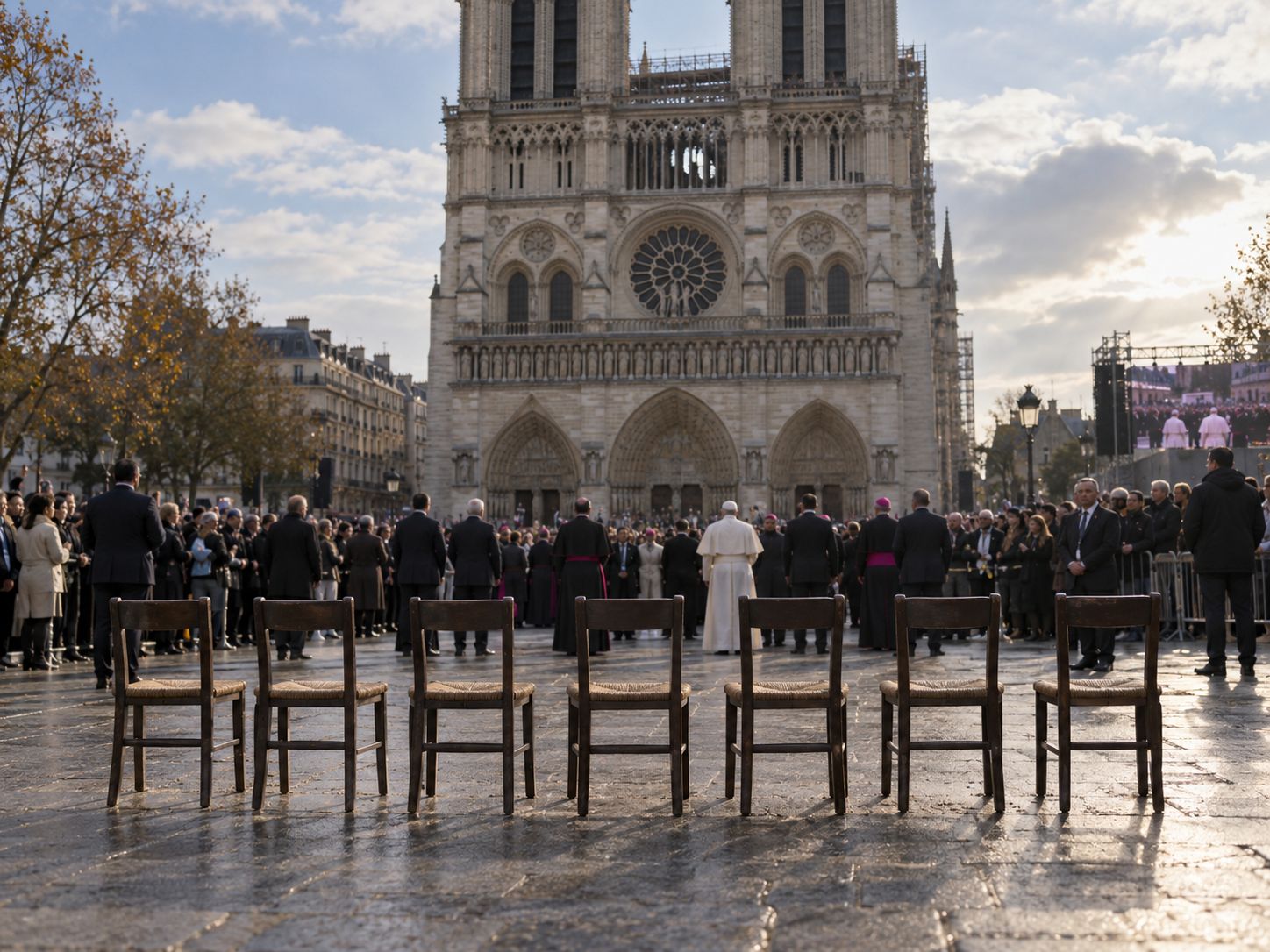
Leo will visit France from September 25 to 28. During the four-day trip, he is expected to meet privately with seven survivors of sexual abuse in Lourdes.
The meeting will put one of the darkest chapters in the history of the French Catholic Church directly on the pope’s agenda.
330,000 estimated victims over 70 years
CIASE spent more than two years investigating sexual abuse connected to the Catholic Church in France. Its final report ran to thousands of pages.
The commission estimated that around 216,000 people were sexually abused as minors by Catholic priests, deacons, members of religious orders or other clergy between 1950 and 2020.
When laypeople associated with Catholic institutions were included, the estimate rose to approximately 330,000. That broader category included people working in Catholic schools, youth organizations and other Church-related institutions.
The distinction is important. Saying that 330,000 children were abused by priests would be inaccurate. The estimated number specifically involving clergy and members of religious orders was about 216,000.
Even that lower figure represents an enormous institutional failure.
The commission concluded that the problem was systemic. It also described the Church’s response to victims for much of the period as marked by profound indifference.
Abuse that lasted for decades
Behind the statistics are individual cases that show how abuse could continue for years without justice.
One survivor, Ghislaine Magoarou, has described being raped at the age of nine by Brother Gabriel Girard, her teacher at a Catholic school in Loctudy in Brittany.
Survivors say Girard abused an estimated 50 to 70 children at the school between 1969 and 1972. He is believed to have sexually assaulted around 170 children at different locations in France during his lifetime.
He died in 1979 without ever facing justice.
Magoarou has described how the abuse affected her childhood and later life. At one point, she attempted suicide by allowing herself to sink into the sea.
Another survivor, Michèle Le Reun-Gaigné, has said the abuse destroyed her trust in adults and contributed to her leaving school.
Their experiences illustrate something statistics cannot. The consequences of abuse can continue long after the perpetrator is gone.
Pope Leo will meet seven survivors
Leo is expected to meet seven survivors privately in Lourdes on September 27.
The Vatican normally provides few details about papal meetings with abuse survivors in advance. This meeting has been announced beforehand, giving it unusual public significance.
The participants come from different backgrounds. They include people abused as children and at least one person abused as an adult.
The survivors themselves have stressed that they do not represent every victim. They will attend as individuals and remain free to express their own demands and criticism.
For some survivor groups, however, a meeting is not enough. They want structural changes in how the Catholic Church responds to allegations, compensates victims and prevents future abuse.
The question is therefore not simply whether Leo will listen. It is what happens afterward.
France tried to compensate survivors
The CIASE report forced the French Catholic Church to respond.
French bishops established an independent body to provide recognition and reparations to victims. Nearly 2,000 people subsequently contacted the organization.
More than 1,180 reparations decisions have been finalized. Financial awards averaged roughly €37,000, although compensation was only one part of the process. Survivors could also receive psychological support and formal recognition of what happened to them.
For some survivors, that recognition was particularly important. Many had spent decades without an institution formally acknowledging their abuse.
Yet the numbers also demonstrate the enormous gap between statistical estimates and people who have entered the compensation process.
The commission estimated hundreds of thousands of victims over seven decades. Only a small fraction have sought reparations through the independent mechanism.
Many alleged perpetrators and victims have already died. Other survivors may never report what happened.
Survivors want systemic change
Money cannot answer every question raised by the scandal.
Survivors and their advocates continue to demand accountability and stronger safeguards. Some want procedures that do not depend heavily on individual dioceses or national Church structures.
They also argue that the response should be consistent across the global Catholic Church.
That issue extends far beyond France. Catholic institutions in numerous countries have faced revelations involving sexual abuse, institutional concealment and failures to protect children.
France is notable partly because an independent investigation attempted to quantify the scale of the problem across seven decades.
The result was difficult to comprehend.
Approximately 216,000 estimated victims of clergy and members of religious orders.
Approximately 330,000 when laypeople associated with Catholic institutions are included.
Seventy years.
A celebration under a long shadow
Leo’s visit will also demonstrate that Catholicism retains considerable visibility in France.
Around 600,000 people have registered for the pope’s outdoor Mass in Paris. Organizers expect even larger numbers to see him during his appearances in the capital.
The contrast will be difficult to miss.
Hundreds of thousands will gather to welcome the head of the Catholic Church. At the same time, the institution he leads continues to confront an estimated hundreds of thousands of people abused as children within or around Catholic institutions over seven decades.
Leo inherited that history. He did not create it.
But as pope, he now inherits responsibility for how the Church responds to it.
Meeting seven survivors in Lourdes can carry considerable symbolic importance. Listening to them matters. Recognition matters.
The much larger question is whether survivors will see lasting institutional change.
The 330,000 figure is an estimate, not a literal count of documented victims. But even with that essential qualification, it represents a devastating legacy that no papal visit can leave outside the itinerary.