

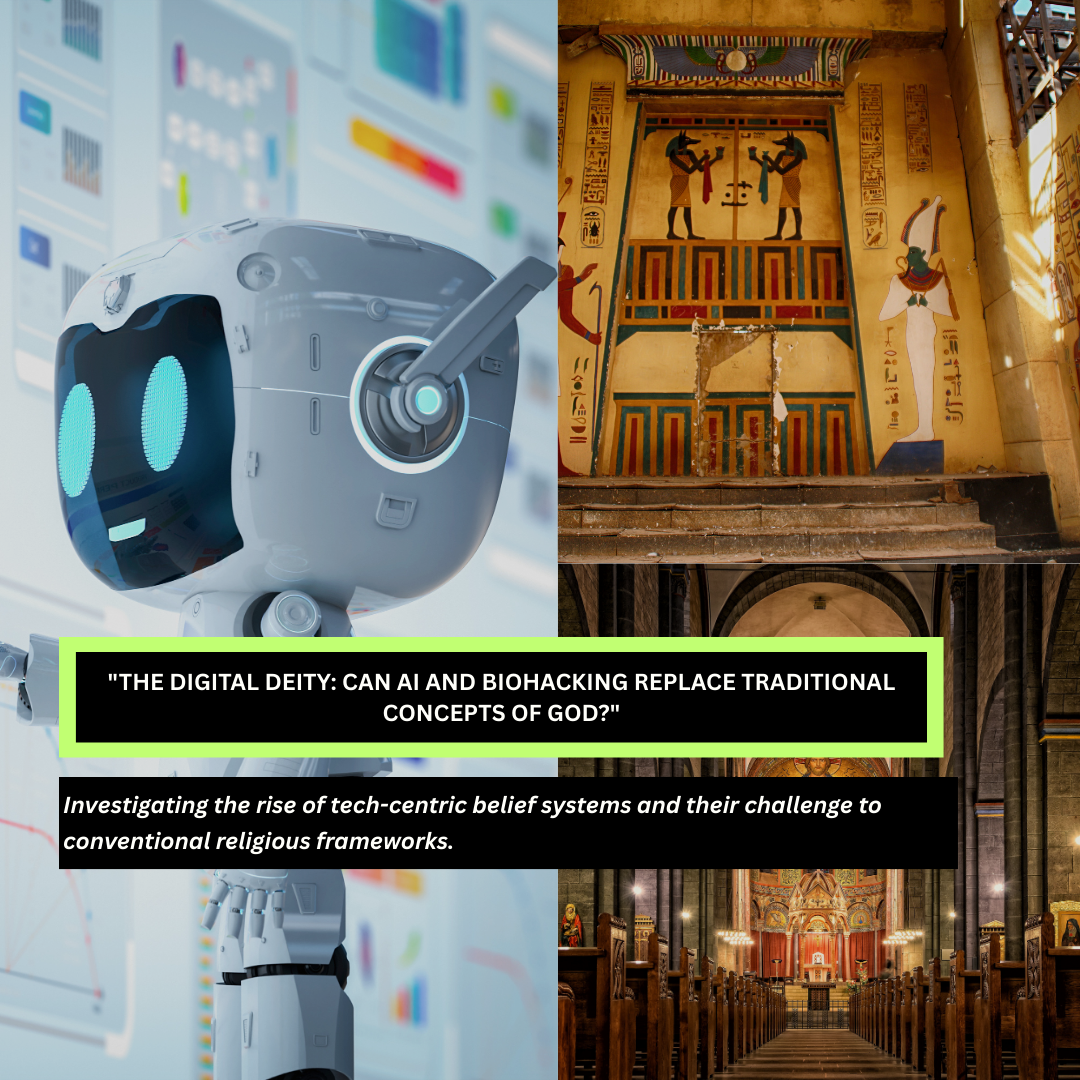
Is religion, as many of us understand it, on the cusp of a radical transformation, or merely undergoing a cyclical period of upheaval? From the dawn of humanity, the search for meaning and purpose has been inextricably linked to belief systems. But in the 21st century, with scientific advancements challenging traditional doctrines and technological innovations offering entirely new frameworks for understanding existence, the very definition of religion is being stretched and reshaped. This is not just an academic debate; it impacts everything from political discourse and cultural identity to ethical decision-making and personal well-being. For freethinkers, who champion reason and critical thinking, this evolution demands our attention and thoughtful engagement. Let’s delve into the current trends and challenges facing belief systems around the globe, exploring how ancient practices and futuristic ideologies are colliding in unexpected ways.
From Malta to Madhya Pradesh: The Persistence of Tradition
The world, even in 2025, remains deeply influenced by established religions. News snippets from the Times of Malta detailing “Religious quotes and news” highlight the continued presence and importance of traditional faiths in everyday life. This isn’t an isolated phenomenon. The article about Lent in The News-Gazette demonstrates how deeply ingrained religious traditions remain for many, shaping their daily routines and spiritual journeys. While secularism is on the rise in many parts of the world, religion continues to provide a sense of community, belonging, and moral guidance for billions. This enduring appeal shouldn’t be dismissed by freethinkers as mere adherence to outdated dogma. Rather, it presents an opportunity to understand the underlying human needs that religion often fulfills and to explore alternative ways of meeting those needs through secular means.
However, this persistence of tradition isn’t always benign. The BBC’s report on the killing of Alawite civilians in Syria illustrates the devastating consequences of religious divisions and sectarian violence. This highlights the dark side of religious identity, where difference can be weaponized and used to justify oppression and brutality. Similarly, the article detailing the sexual assault investigation in Peel Regional Police involving a religious ceremony serves as a stark reminder that abuse of power can occur within religious contexts, underscoring the need for constant vigilance and accountability. The report about Madhya Pradesh considering the death penalty for forced religious conversion is also alarming and a violation of human rights. These examples highlight the urgent need for secular legal frameworks that protect individuals from coercion and discrimination, regardless of their beliefs.
The Rise of the “AI Religion” and the Quest for Immortality
Perhaps one of the most radical developments in the evolving religious landscape is the emergence of what might be termed “tech religions.” Bryan Johnson’s “Don’t Die” movement, dubbed an “AI religion” by *The Economic Times*, perfectly encapsulates this trend. Johnson, an anti-ageing millionaire, envisions his movement as a guiding force focused on longevity and integration with AI. This highlights a growing fascination with technology’s potential to solve humanity’s problems, even the ultimate problem of death. While traditional religions often focus on spiritual salvation and an afterlife, these tech religions offer a more tangible, data-driven approach to extending lifespan and achieving a form of immortality through technological advancement.
This raises profound questions:
- Can a system lacking traditional deities or supernatural elements truly be considered a religion?
- What are the ethical implications of pursuing immortality through technology, especially if access to these technologies is unevenly distributed?
- Is the quest for immortality a fundamentally religious impulse, regardless of the methods employed?
These new movements challenge our preconceived notions of what constitutes a religion and force us to reconsider the underlying human desires that fuel religious belief. For freethinkers, this presents an opportunity to critically examine the claims made by these tech religions and to promote a rational and evidence-based approach to health and longevity.
Interfaith Dialogue and the Perils of Indifferentism
In a world increasingly interconnected, interfaith dialogue has become a crucial tool for promoting understanding and cooperation between different religious communities. However, as highlighted in the *Catholic World Report* article discussing Eduardo Echeverria’s book, this dialogue can also be fraught with challenges. Echeverria’s work addresses the problem of “religious indifferentism” and “false inter-religious dialogue,” raising concerns about the potential for diluting the unique claims and beliefs of individual religions in the pursuit of superficial harmony.
The central question is whether genuine dialogue is possible without compromising one’s own beliefs or resorting to a lowest-common-denominator approach. This is a challenge not just for religious communities but also for freethinkers who engage in discussions with those of different beliefs. How do we foster respectful and productive conversations while remaining true to our own values of reason and critical inquiry?
The article from the *South China Morning Post* also showcases an interesting angle to religion: its use to connect China and Taiwan. These sorts of connections can be useful for promoting cultural ties but can also be used for political gain.
Navigating the Future of Belief: A Call to Critical Engagement
The evolving landscape of belief presents both challenges and opportunities for freethinkers. The enduring appeal of traditional religions reminds us of the importance of addressing the human needs that religion often fulfills. The rise of tech religions forces us to reconsider the very definition of religion and to critically examine the claims made by these new movements. And the complexities of interfaith dialogue highlight the need for respectful and productive conversations that are grounded in reason and critical inquiry.
As we move forward, it’s crucial that we, as freethinkers, engage with these developments thoughtfully and critically. We must be willing to challenge outdated dogma, to question the claims of new ideologies, and to promote a rational and evidence-based approach to understanding the world. By doing so, we can help to shape a future where reason and critical thinking are valued above all else, and where individuals are free to explore their own beliefs without coercion or discrimination.
What role should freethinkers play in shaping the future of belief? Share your thoughts in the comments below.






