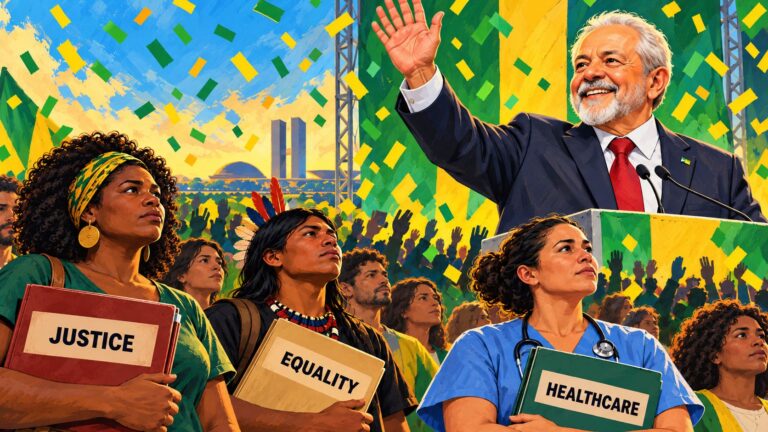
Is the concept of human rights a universal moral imperative or a selectively applied political tool? For freethinkers, this question isn’t just an academic exercise. It’s a constant negotiation between our commitment to reason, empathy, and the well-being of humanity, and the often-disappointing reality of how human rights are interpreted, implemented, and even weaponized across the globe. The term “human rights” is thrown around so often, from classrooms to courtrooms to Twitter, that it can become diluted, losing its potent call to action. But beneath the jargon lies a powerful idea: that every human being deserves fundamental protections and opportunities, regardless of their background or beliefs. Understanding the nuances, contradictions, and challenges surrounding human rights is crucial for freethinkers who strive for a better, more just world. This isn’t blind faith; it’s about applying critical thinking to a complex, evolving field.
Education, Not Indoctrination: The Right to Inclusive Learning
The conversation around inclusive education highlights the complexities of implementing human rights in practice. The ideal, as articulated in the first linked article, is equitable inclusion of disabled students in mainstream schools. This aligns with the fundamental right to education, ensuring all individuals have the opportunity to reach their full potential. But “inclusive education” should never become a euphemism for poorly resourced or implemented programs. True inclusion requires:
Adequate funding: Schools must have the resources to provide specialized support, adaptive technologies, and trained educators.
Individualized plans: One-size-fits-all approaches fail to meet the diverse needs of disabled students.
Teacher training: Educators need the skills and knowledge to effectively support students with disabilities in mainstream classrooms.
Challenging preconceived notions: Fighting the bias against disabled people in society that also infiltrates school systems.
Without these elements, inclusion can become a form of segregation in disguise, hindering rather than helping the very students it aims to support. As freethinkers, we must demand evidence-based solutions and hold education systems accountable for fulfilling their promises. Education, too, must allow for students to reach their own conclusions, rather than enforcing a single point of view. In these cases, human rights become a means of oppression, and it is the critical thinker’s duty to find the real reason behind “humanitarian” movements.
Selective Outrage: When Human Rights Become a Political Tool
News headlines often present a jarring juxtaposition of human rights violations in different corners of the world. Take, for example, the article detailing Panama’s release of detained deportees after international criticism. While holding governments accountable for treating deportees inhumanely is crucial, it raises a broader question: why is there seemingly selective outrage? Do we condemn violations equally, regardless of the perpetrator or the geopolitical context? Sadly, the answer is often no. Human rights concerns are sometimes weaponized to advance political agendas, with certain abuses receiving disproportionate attention while others are conveniently ignored. This selective outrage can be counterproductive, undermining the credibility of human rights advocacy and fueling cynicism. Freethinkers must remain vigilant against such manipulation, applying critical scrutiny to every situation and demanding consistent standards.
Syria and Beyond: Holding Power Accountable
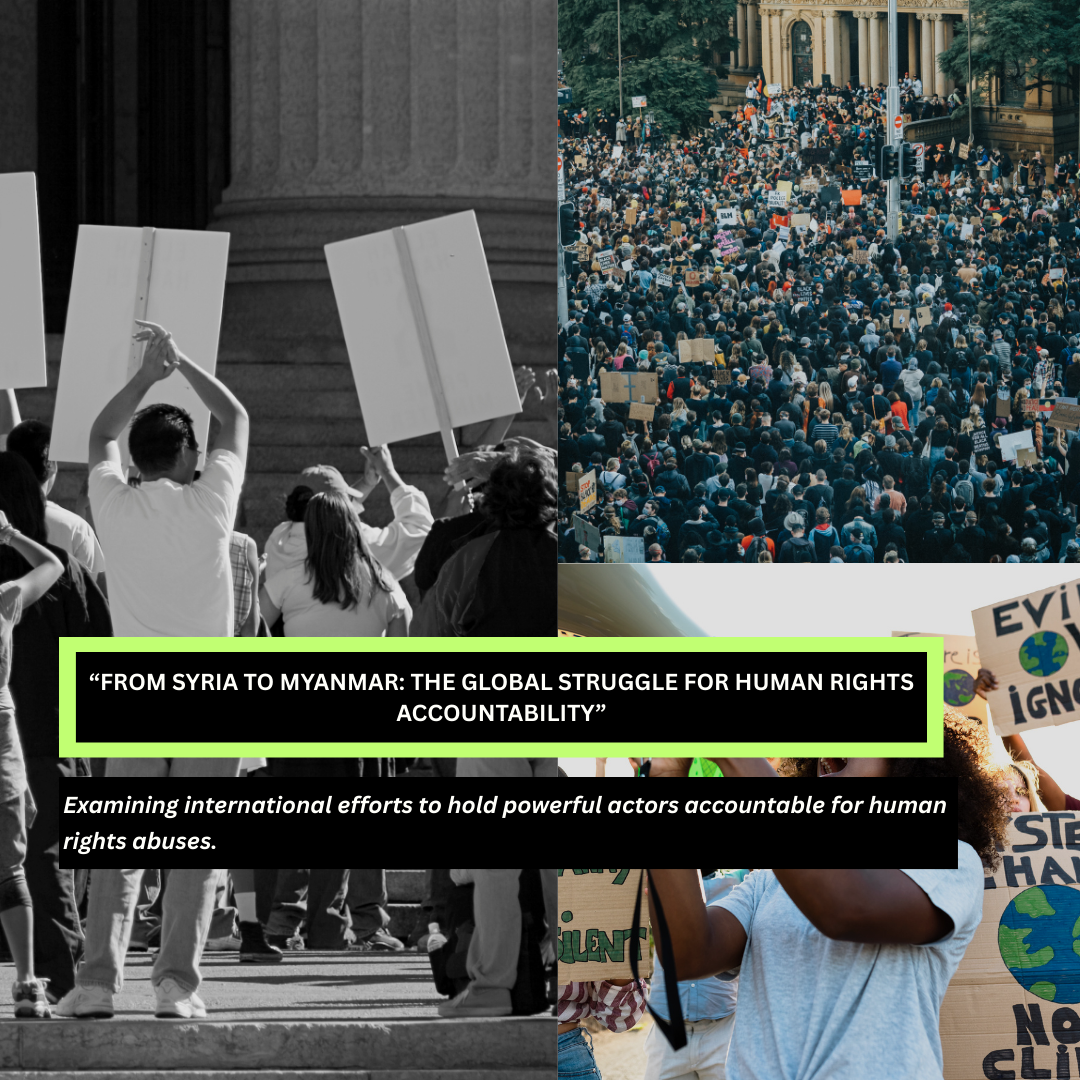
The UN Human Rights Chief’s call for investigations into the killings of civilians in Syria underscores the ongoing struggle to uphold human rights in conflict zones. While such statements are important, they often feel inadequate in the face of persistent violence and impunity. Holding powerful actors accountable for human rights abuses requires more than just words; it demands:
Independent investigations: Thorough and impartial inquiries into alleged violations are essential for establishing the truth.
International cooperation: Governments, NGOs, and international organizations must work together to pressure perpetrators and provide support to victims.
Effective sanctions: Targeted sanctions can be a powerful tool for deterring further abuses, but they must be carefully designed to avoid harming innocent civilians.
Universal legal standards: Standards should remain constant, regardless of location, culture, or government.
But even with these things in place, power still protects itself. Freethinkers are uniquely positioned to challenge the narratives that excuse or justify human rights violations, advocating for accountability and justice wherever they are compromised.
Peaceful Protest as a Cornerstone of Human Rights
The gathering in Mill Creek Park highlights another critical aspect of human rights: the freedom of assembly and expression. Peaceful protest is a fundamental right, allowing citizens to voice their concerns and advocate for change. However, this right is often curtailed or suppressed, particularly in authoritarian regimes. Even in democracies, protesters face obstacles such as restrictions on assembly, excessive force by law enforcement, and smear campaigns aimed at discrediting their cause. Supporting the right to peaceful protest, regardless of the cause being advocated for, is essential for upholding democratic values and ensuring that all voices are heard.
The Danger of Suppression: Silencing Dissent
The suspension of Natasha Akpoti-Uduaghan, as reported by SERAP Nigeria, raises serious concerns about freedom of speech and the protection of human rights defenders. Silencing dissent, whether through legal means or intimidation, undermines democratic processes and creates a chilling effect on public discourse. It’s important to recognize that even in seemingly stable democracies, the powerful may seek to suppress those who challenge their authority. Supporting those who speak out against injustice, even when it comes at personal risk, is a crucial part of defending human rights. We must ask ourselves if this is a suppression of harmful speech, or simply speech the speaker does not like.
A Never-Ending Quest for Justice
The Harvard T.H. Chan School of Public Health’s event, “Unraveling injustice and power structures,” encapsulates the ongoing effort to understand the root causes of human rights violations. This requires a critical examination of social, economic, and political systems that perpetuate inequality and discrimination. As freethinkers, we should constantly question power structures and search for rational, evidence-based solutions to address systemic injustice. No movement is above reproach, and all actors should be investigated when abuse occurs.
The pursuit of human rights is a messy, complex, and often frustrating endeavor. It requires constant vigilance, critical thinking, and a willingness to challenge our own assumptions. We can’t take human rights as a given, nor can we passively accept the status quo. We must be active participants in shaping a more just and equitable world, demanding accountability, promoting critical dialogue, and supporting those who strive to uphold human rights for all.
So, how can freethinkers navigate the human rights minefield, avoiding the traps of ideological dogma and selective outrage? Share your thoughts in the comments below, and let’s continue the discussion.