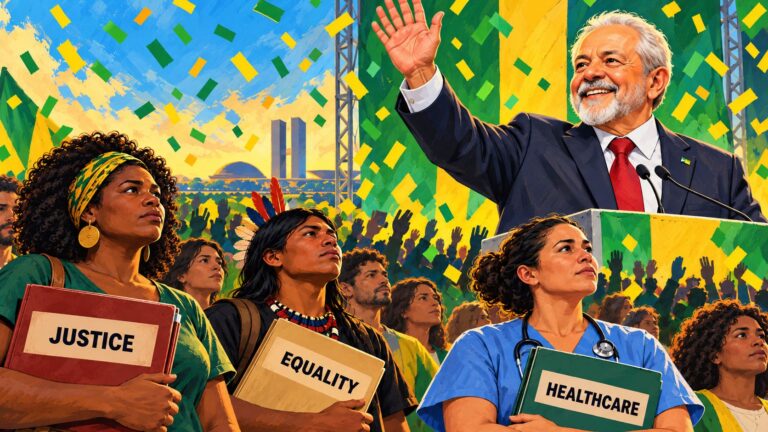
Every year, International Human Rights Day serves as a stark reminder: The fight for universal rights is far from over. As freethinkers, we champion reason, empathy, and the inherent dignity of every human being. But in a world increasingly fragmented by ideological divides, political upheaval, and persistent inequalities, the very concept of human rights is being challenged, redefined, and in many cases, outright ignored. Are we truly progressing towards a more just and equitable world, or are we witnessing a slow erosion of the fundamental principles we hold dear? This isn’t just a question for governments and international organizations. It demands our attention, our scrutiny, and our unwavering commitment to upholding the values of reason and compassion in the face of rising authoritarianism and cultural relativism.
The Universality Under Scrutiny
The Universal Declaration of Human Rights, a cornerstone of modern international law, proclaims rights inherent to all members of the human family, regardless of race, color, religion, sex, language, political or other opinion, national or social origin, property, birth, or other status. However, this very universality is frequently questioned. Some argue that human rights are a Western construct, imposed upon cultures with different values and traditions. The article referencing “Human Rights: A Challenge for Western Civilization” hints at this very tension.
This perspective often surfaces when discussing issues like women’s rights, freedom of expression, and LGBTQ+ rights in societies with deeply entrenched traditional norms. As freethinkers, we must reject cultural relativism when it is used to justify oppression and inequality. While respecting cultural diversity is crucial, it cannot come at the expense of fundamental human rights. The struggle is not between cultures, but between those who uphold reason and those who are willing to sacrifice fundamental rights on the altar of tradition.
Women’s Rights: A Battle on Multiple Fronts
The fight for women’s rights remains a global battleground, taking on various forms in different regions. From the human chains forming across Quebec to defend women’s rights, as reported by CTV News, to the Taliban’s ban on women athletes in Afghanistan, highlighted by Human Rights Watch, the spectrum of challenges is vast and disheartening. In Quebec, the human chains serve as a visible display of solidarity, combating sexism and discrimination in a society where women still face unequal pay, harassment, and violence. In Afghanistan, the Taliban’s ban represents a complete denial of women’s agency and autonomy. We must consistently call out these abuses, support women’s rights organizations, and advocate for policies that promote gender equality across all sectors of society. The ICC’s reluctance to address the Taliban issue is a stark reminder that even international bodies can be slow to act in defense of human rights.
Conflict and the Casualties of Rights
The news from Al Jazeera about the clashes in Syria is a grim reminder that war remains one of the greatest threats to human rights. In conflict zones, the most basic rights – the right to life, security, and freedom from torture – are routinely violated. The report of hundreds killed underscores the human cost of political violence and the urgent need for peaceful resolutions. Even when conflicts subside, the legacy of human rights abuses often lingers for generations, creating cycles of trauma and resentment. As freethinkers, we should advocate for diplomacy, conflict resolution, and accountability for war crimes. Supporting organizations like Amnesty International and Human Rights Watch is vital in documenting and exposing abuses so that perpetrators can be held to account and the international community can’t feign ignorance.
Reason, Empathy, and Vigilance
The challenges to human rights in the 21st century are complex and multifaceted. Authoritarianism, inequality, violent conflict, and the rise of cultural relativism combine to undermine progress. As freethinkers, our commitment to reason, empathy, and critical thinking is more crucial than ever. We must challenge assumptions, question narratives, and hold those in power accountable for their actions. We must be wary of those who use tradition or cultural particularity to justify violations of human rights. We must actively promote education, awareness, and activism to defend the principles of equality, dignity, and justice for all.
Conclusion
The news headlines constantly remind us that the struggle for human rights is a never-ending battle. From symbolic acts of solidarity to shocking reports of violence and oppression, the violations continue. But we must remain vigilant, informed, and engaged. The defense of human rights is not a passive exercise. It requires active participation, critical thinking, and unwavering commitment. As freethinkers, we have a unique responsibility to challenge injustice and promote a world where reason and empathy prevail.
Are we ready to rise to that challenge? Share your thoughts in the comments below and let’s continue this crucial conversation.