
Freethinking is a timeless theme in music, with artists across genres pushing boundaries, questioning norms, and challenging the status quo. These powerful anthems not only define their respective genres but also serve as a testament to music’s unique ability to inspire, liberate, and provoke thought. Let’s dive into the fascinating stories behind some of the most iconic tracks that champion individuality and the courage to think independently.
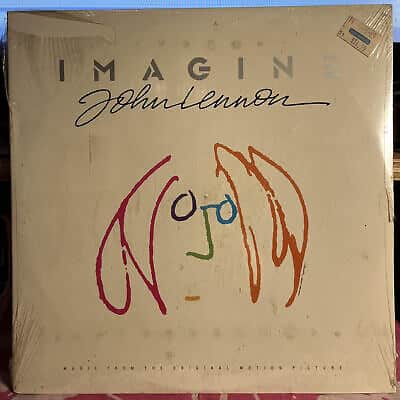
“Imagine” – John Lennon
Released in 1971, “Imagine” is one of the most iconic songs promoting peace and unity. Lennon described it as “anti-religious, anti-nationalistic, anti-conventional,” envisioning a world without borders or divisions. Influenced by his wife, Yoko Ono, and her poetry book Grapefruit, the song became an anthem for social and political movements, challenging listeners to rethink societal norms.
“Wake Up” – Rage Against the Machine
Known for their political activism, Rage Against the Machine released this song in 1992. It’s a direct call to challenge governmental and institutional corruption, urging listeners to awaken to systemic oppression. The song references historical figures and conspiracies, blending activism with musical intensity.
“Another Brick in the Wall“ – Pink Floyd
This anthem against oppressive education systems became a symbol of resistance. Inspired by bassist Roger Waters’ own school experiences, it critiques the conformity imposed on young minds. The chant, “We don’t need no education,” encapsulates the rejection of authoritarian control.
“Changes” – David Bowie
Released in 1971, Bowie’s “Changes” reflects his personal journey of reinvention. Written during a transitional period in his career, it addresses the inevitability of change and the importance of embracing one’s evolving identity. It became an anthem for those seeking transformation and resisting societal expectations.
“Smells Like Teen Spirit” – Nirvana
Kurt Cobain intended this grunge classic as a parody of teen rebellion clichés, yet it ironically became a rebellious anthem. The song’s chaotic energy and cryptic lyrics captured the alienation of Generation X, propelling Nirvana to stardom and redefining rock in the early ’90s.
“The Times They Are a-Changin“ – Bob Dylan
This iconic song captures the spirit of the 1960s’ cultural upheaval. Dylan wrote it as a warning to those resistant to change, urging them to adapt or be left behind. It resonates with any era of transformation, reinforcing the inevitability of progress.
“Master of Puppets” – Metallica
This hard-hitting track tackles addiction as a form of control. The “master” is the substance, pulling strings and robbing the individual of freedom. It’s a dark, intense exploration of how people can lose autonomy when enslaved by vices.
“Break on Through (To the Other Side)” – The Doors
As The Doors’ debut single, this song challenges listeners to transcend societal limitations and explore new realms of consciousness. Morrison, inspired by literature and philosophy, used the track as a call to break free from conventional thought.
“Anarchy in the U.K.” – Sex Pistols
The Sex Pistols’ debut single was a fiery declaration of rebellion. With its raw energy and provocative lyrics, it became a manifesto for punk culture. The song’s demand for “anarchy” reflected disillusionment with British politics and societal norms.
“Blowin’ in the Wind” – Bob Dylan
A 1963 classic from Dylan, this song became an anthem of the civil rights movement. It questions the status quo and challenges listeners to think about peace, freedom, and justice. Dylan’s poetic lyrics encourage reflection and the pursuit of truth.
“Karma Police” – Radiohead
This track critiques the pressures of conformity and the moral hypocrisy in society. The refrain, “This is what you’ll get if you mess with us,” reflects both personal and collective struggles with power dynamics.
“Take Me to Church” – Hozier
Written as a critique of organized religion’s stance on sexuality, Hozier uses religious metaphor to celebrate love as a sacred act. It’s a bold statement about hypocrisy and personal freedom, wrapped in soulful, gospel-inspired sounds.