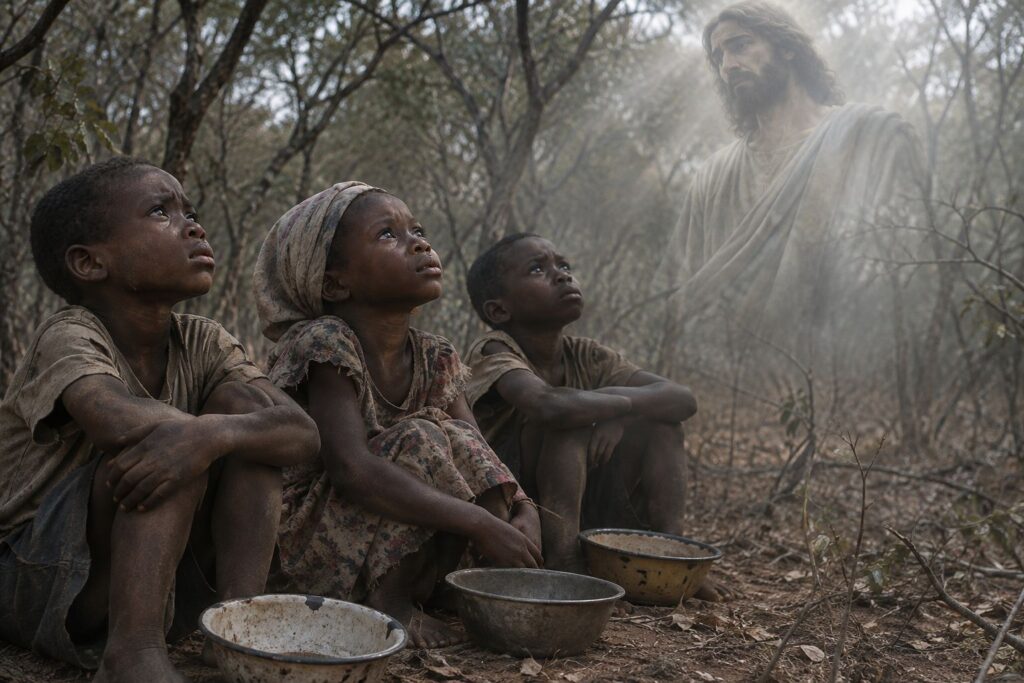
He promised Jesus. His followers died. Now he’s sentenced to 200 years
Paul Mackenzie told his followers that starvation would bring them to Jesus. On November 6, a Kenyan court sentenced the preacher to 200 years in prison for the murders of 190 children and one adult.
The leader of the Good News International Church was sentenced at the High Court in Mombasa alongside 28 others. His teachings demanded that followers fast to death, beginning with children. The court found that violence, confinement, and the withholding of food and water helped enforce those orders.
The promise was eternal salvation. The result was dead children, devastated families, and graves that investigators would spend years trying to identify.
When obedience becomes deadly
Mackenzie’s followers had moved to a remote area of coastal Kenya, where isolation helped place them beyond ordinary scrutiny. More than 400 bodies were recovered from shallow graves in 2023. The 191 murders covered by this judgment represent only part of the wider disaster. Mackenzie faces additional proceedings involving allegations of terrorism, manslaughter, child abuse, and torture.
Describing what happened simply as followers choosing to starve risks obscuring the coercion—and the children who had no meaningful choice at all.
According to the court’s findings reported by Kenya Broadcasting Corporation, the fatal fasting regime was maintained through force and deprivation. The court also emphasized that parental responsibility requires protecting a child’s life and welfare. Religious conviction gives parents no entitlement to decide that their children should die.
That principle should be uncontroversial. Children are people with rights of their own. Their safety cannot depend on whether an adult believes suffering will secure a place in heaven.
A sentence longer than a lifetime
Mackenzie’s punishment consists of two 100-year prison terms, distinguishing deaths attributed to starvation from those caused by direct violence. His defense has challenged the sentence, arguing that such lengthy terms effectively amount to imprisonment for life.
Prosecutors had sought the death penalty. The judge declined to impose it.
Reporting by Kenya’s Daily Nation describes several reasons for that decision. Execution could reinforce the offenders’ belief that death offered salvation or martyrdom. Keeping them alive also preserves the possibility of rehabilitation and of obtaining information about the whereabouts of missing children’s remains.
Accountability does not require the state to kill. Even in a case this horrific, justice can protect the public, recognize the victims, and punish those responsible without reproducing the idea that death provides an answer.
Religious authority must remain open to scrutiny
The case does not establish that every religious community is dangerous. It exposes the danger of granting any leader unquestionable authority over other people’s bodies, children, and survival.
A claim to speak for God cannot substitute for evidence. Promises about an afterlife cannot justify depriving a child of food. When obedience to a preacher overrides the most basic obligations of care, criticism and intervention become essential.
Freedom of religion must include freedom to question, refuse, and leave. It cannot become a shield for coercion or a reason to overlook abuse.
The same standard must apply whether harmful orders come from a religious leader, a political movement, or a secular organization. No claimed higher purpose cancels the rights of the person being harmed.
The families still waiting
A sentence measured in centuries can sound like a definitive ending. For relatives who have not recovered their loved ones’ remains, it is nothing of the kind.
Associated Press reporting describes families still searching for answers and bodies that remain unidentified. One father who attended the sentencing lost six children and his wife.
Their needs extend beyond punishment: identification of the dead, dignified burial, support for survivors, and a full accounting of how the killings were allowed to happen.
Mackenzie promised access to another world. The responsibility now belongs to this one—to protect the living and give the dead the recognition they were denied.
[…] On Friday, 6 November 2026, a High Court in Mombasa, Kenya, sentenced cult leader Paul Mackenzie to 200 years in prison. […]