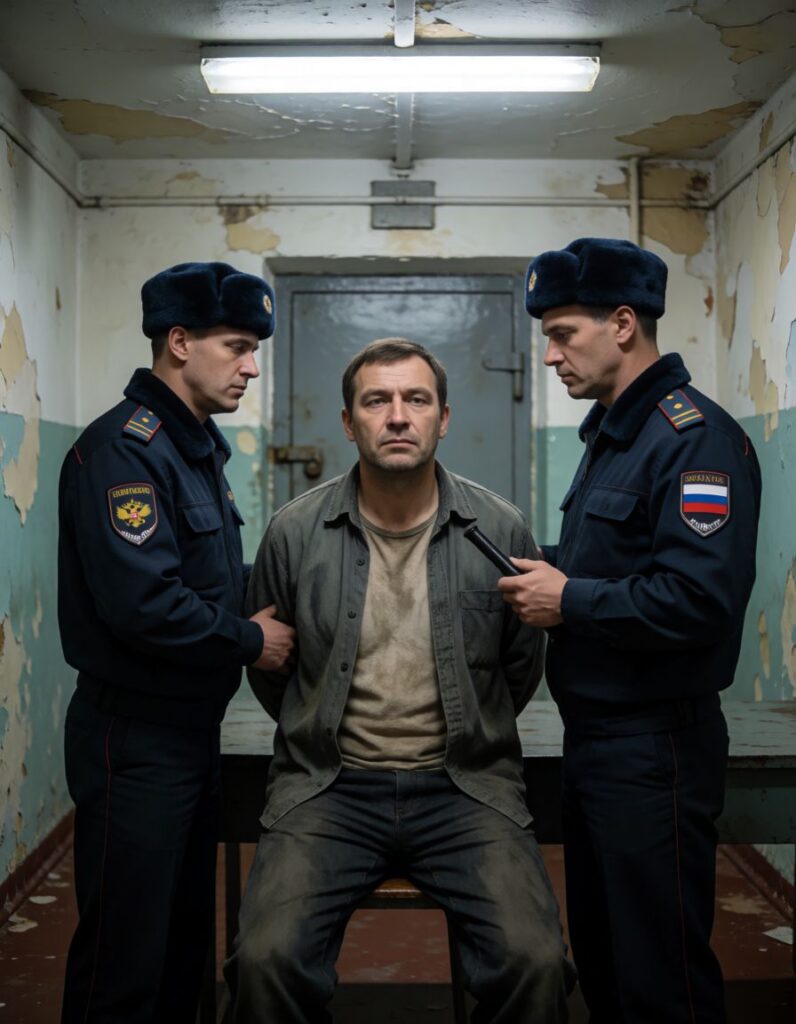
Russia, officially: Torture? We’re okay with that
Russia has formally withdrawn from the European Convention for the Prevention of Torture, ending the European anti-torture committee’s mandate to inspect its places of detention.
The withdrawal took effect on November 1, 2026, a year after Moscow notified the Council of Europe. It removes an international safeguard for people held in prisons, police stations, psychiatric hospitals, and other institutions where leaving is not an option.
The decision does not make torture legal. Nor does it end every form of international scrutiny. It does, however, close a mechanism designed to reach people behind locked doors before abuse becomes another hidden tragedy.
What Russia has abandoned
The treaty establishes the European Committee for the Prevention of Torture and Inhuman or Degrading Treatment or Punishment, known as the CPT.
Its work involves visiting detention facilities, examining conditions, and speaking privately with people held there. Inspectors can assess treatment directly rather than depend entirely on official assurances or testimony collected after someone’s release.
The committee’s scope extends beyond prisons. It includes psychiatric hospitals, immigration detention centers, and social care institutions where people are deprived of their liberty.
After visits, the CPT provides findings and recommendations to the authorities. Its purpose is preventive: identifying dangerous conditions and abusive practices and pressing governments to change them.
For someone dependent on guards or institutional staff for food, medication, movement, and contact with the outside world, independent access can be a vital safeguard.
Years of obstruction before the formal exit
Russia joined the convention in 1998. Between then and 2021, the CPT conducted 30 visits, inspecting more than 450 places of detention.
Yet Russian authorities authorized publication of only four visit reports. Numerous findings remained confidential, including reports concerning visits to Chechnya and the North Caucasus.
The practical obstruction preceded the withdrawal. In November 2024, the CPT publicly criticized Russia for failing to arrange renewed visits or answer requests for information. Those requests included questions about Alexei Navalny’s death in custody and allegations concerning the treatment of detained people.
Russia’s expulsion from the Council of Europe in March 2022 had not automatically ended its obligations under this particular convention, which is open to nonmember states.
The latest development therefore formalizes a retreat already underway. Inspectors had been prevented from returning; now their treaty mandate has ended.
Moscow’s explanation
President Vladimir Putin signed legislation approving withdrawal on September 29, 2025. Russia formally notified the Council of Europe on October 30 that year.
According to the withdrawal legislation reported by Reuters, Moscow justified its decision by pointing to the Council of Europe’s refusal to allow a Russian representative to serve on the committee.
That institutional dispute does not answer the central human-rights question: why should people in detention lose an independent safeguard because the government objects to its representation?
A government confident that its institutions treat people humanely should be willing to let independent experts examine them.
Torture is already extensively documented
The concern is grounded in evidence of abuse.
In October 2024, the UN Commission of Inquiry on Ukraine concluded that Russian authorities had committed torture as a crime against humanity. Investigators identified a coordinated state policy involving Ukrainian civilians and prisoners of war, with recurring practices across detention facilities in Russia and occupied Ukrainian territory.
A separate UN report published in September 2025 described widespread and systematic torture and ill-treatment of Ukrainian civilian detainees. Former prisoners reported severe beatings, electric shocks, mock executions, sexual violence, and threats against relatives.
These are findings by international investigators, rather than criminal convictions of every individual implicated. They nevertheless establish a compelling reason for stronger scrutiny.
Abuse inside Russia also extends beyond people detained in connection with Ukraine. The UN special rapporteur on Russia has described torture and ill-treatment as widespread and systematic, affecting Russian citizens as well.
Removing an inspection mechanism in that context deepens an existing protection gap.
Torture remains prohibited
The European convention must not be confused with the separate United Nations Convention against Torture, to which Russia remains a party.
The prohibition of torture also exists as a fundamental rule of international law. War, political instability, terrorism, and other emergencies do not provide lawful excuses for it.
Withdrawal from an inspection treaty cannot erase responsibility for past crimes or authorize future abuse. UN mechanisms can still investigate, collect testimony, and report on violations, even when Russia denies access.
But documenting suffering after the event cannot fully replace the ability to enter a detention facility, interview people confidentially, and challenge dangerous practices while they are happening.
The people behind the doors
Prisoners do not lose their human dignity because they have been convicted. Suspects do not lose their rights because officials accuse them of terrorism. Psychiatric patients do not become the property of the institutions holding them.
Independent scrutiny matters precisely because these people have limited power to protect themselves.
The international response should include support for survivors, independent lawyers, journalists, and investigators preserving evidence. Russia should also be pressed to publish the outstanding CPT reports and restore access for independent monitors.
The Kremlin can withdraw from a treaty. It cannot withdraw the humanity of the people in its custody—or turn their torture into a legitimate exercise of state power.