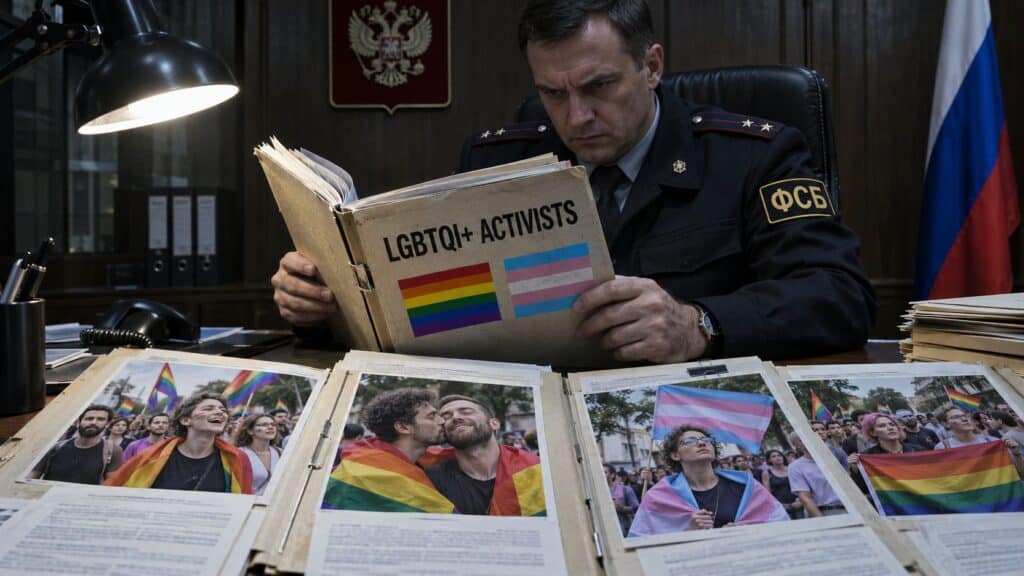
Europe: LGBTQI+ activists exposed, safety at risk
For LGBTQI+ activists working under repressive governments, privacy can be a form of protection. That protection has been shaken by the publication of sensitive information about activists and partner organizations connected to ILGA-Europe.
The rights organization acknowledged the disclosure on November 19, apologized to those affected, and said it was taking steps to secure information and contact people facing heightened risks.
Private information, unanswered questions
A Russian outlet published the material on November 19. It included information about individuals, organizations, and funding relationships in Russia and beyond.
In its November 22 update, ILGA-Europe said the publication mixed publicly available information with nonpublic material. Its review also found inconsistencies and claims or connections it could not substantiate.
The investigation has yet to establish how the information was obtained or the extent of any unauthorized access. The material comes from different periods and may have originated both within and outside the organization. Claims about what the publisher possesses should therefore be treated with caution.
Exposure in a climate of persecution
The alarm is particularly understandable in Russia, where authorities have turned LGBTQI+ activism into a target of criminal prosecution.
In 2023, Russia’s Supreme Court designated the so-called “international LGBT movement” as extremist. The ruling applied an organizational label to a diverse human rights movement and opened the way for prosecutions against people supporting LGBTQI+ rights.
In May 2026, Human Rights Watch reported that Russian courts had banned nine LGBTQI+ support groups as extremist. Those organizations provided services including information, legal assistance, and support for people facing discrimination.
Against that background, exposing someone’s connections to LGBTQI+ organizing can carry serious consequences. ILGA-Europe warns that even inaccurate allegations or information taken out of context can create risks for people working in repressive environments.
An investigation and a plea for restraint
Independent cybersecurity specialists are examining the incident. ILGA-Europe has notified Belgium’s Data Protection Authority and expects the forensic investigation to take at least two to three weeks. It has promised another public update by November 30, even if the work remains unfinished.
The organization is asking people to avoid circulating the Russian article, its link, or exposed personal information. It also advises checking unexpected messages claiming to come from ILGA-Europe through established, trusted contacts.
Those precautions matter because repeating a disclosure can spread its consequences. Reporting on the incident should help people understand the danger while respecting the privacy of those affected.
The unanswered questions require a thorough investigation and clear accountability. Meanwhile, the people whose information has appeared online need practical support and protection. Defending equality should never require surrendering the right to personal safety.