

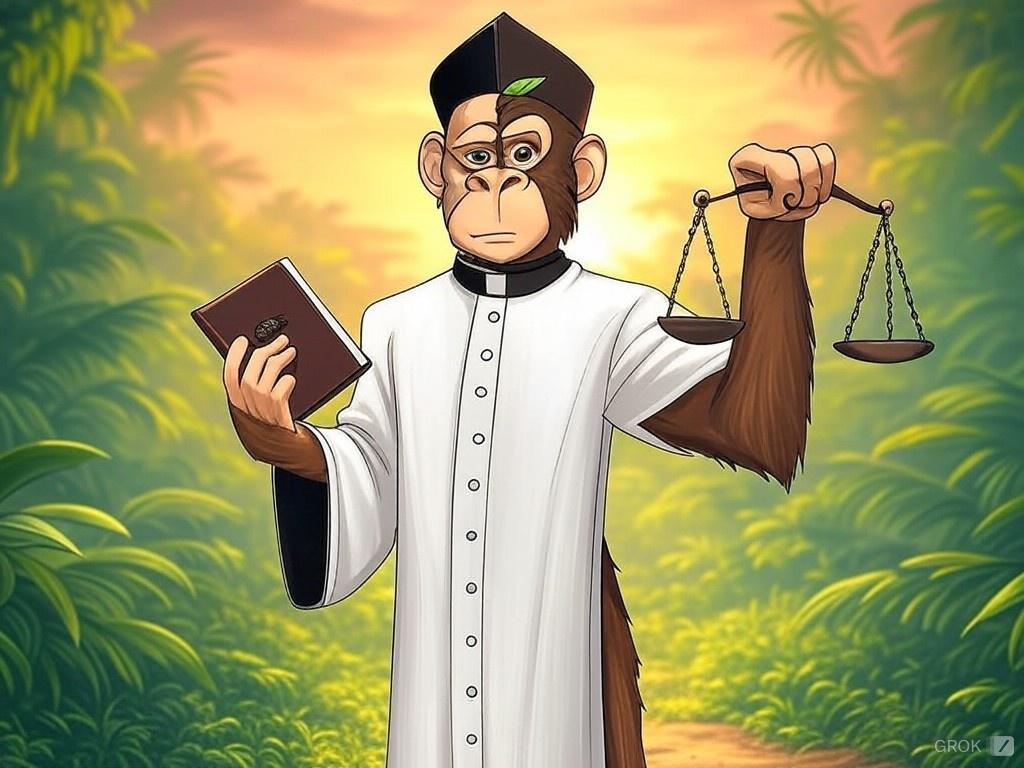
Religious literalists often argue that morality stems exclusively from divine commands found in sacred texts. While this belief is deeply ingrained, there are ways to respectfully challenge it and open the door to broader perspectives. Here’s a guide on how to approach this sensitive topic, supported by accessible arguments and resources for deeper exploration.
1. Understand Their Perspective
Before engaging, it’s important to empathize with their belief system. Many religious literalists view morality as the cornerstone of their faith, making it seem inseparable from religious teachings.
Key Tip: Start by acknowledging the value of their moral intentions rather than dismissing their beliefs outright.
2. Introduce the Concept of Secular Morality
Secular morality refers to ethical principles based on human well-being, reason, and empathy, rather than divine commandments.
- Argument for Discussion: “Do we need religion to know that killing or stealing is wrong? Even societies without your religion developed similar moral codes.”
- Supporting Video: Sam Harris on Secular Morality (YouTube)
3. Highlight Universality Across Cultures
Moral values like kindness, fairness, and cooperation exist across cultures and religions, suggesting they are not exclusive to any one faith.
- Debate Point: “If morality comes from religion, why do atheists and people from different religions often agree on basic ethics?”
- Check It Out: Research on morality’s evolutionary roots, like Frans de Waal’s studies on altruism in animals (Article).
4. Examine Moral Failures in Religious Texts
Sacred texts often contain moral codes that modern society finds unacceptable, such as endorsing slavery or unequal treatment of women.
- Debate Example: “If morality comes from the Bible, should we still follow passages that condone slavery? How do you reconcile these?”
- Resource: The Skeptic’s Annotated Bible highlights morally questionable verses.
5. Discuss Changing Moral Standards
Over time, societies have revised moral norms, often moving away from religious doctrines. For instance, abolition of slavery, gender equality, and LGBTQ+ rights gained traction despite religious opposition.
- Debate Point: “If morality is unchanging and derived from God, why do religious teachings change with time?”
6. Provide Alternative Ethical Frameworks
Introduce systems of ethics like Utilitarianism (focused on maximizing happiness) or Kantian ethics (focused on universal principles).
- Example to Share: “Wouldn’t you agree that an action is good if it reduces harm and increases well-being for everyone involved?”
- Resource: CrashCourse: Utilitarianism Explained (YouTube)
7. Use Real-World Examples
Point to successful secular societies with low crime rates and high happiness indexes, such as Scandinavian countries, which often rank high on global happiness scales while having low religiosity.
- Debate Argument: “How do you explain the morality and success of predominantly secular societies?”
- Supporting Article: Happiness and Religion in Scandinavia
8. Encourage Critical Thinking
Help them question their assumptions in a non-confrontational way.
- Thought Experiment: “If God commanded something we consider wrong today, like killing innocents, would it become moral?”
- Resource: Euthyphro Dilemma Explained (Philosophy Tube)
Practical Tips for Debates
- Be Respectful: Avoid mocking or dismissive tones.
- Ask Open Questions: Encourage reflection rather than dictating answers.
- Focus on Shared Goals: Emphasize shared values like compassion and justice.
- Know When to Pause: Recognize when the discussion becomes unproductive.
Final Thoughts
Convincing religious literalists that morality isn’t derived solely from religion requires patience, empathy, and evidence. By appealing to shared human values and presenting logical arguments, you can plant seeds of doubt about rigid dogmas while fostering meaningful dialogue.
Have you tried discussing this topic with someone? Share your experiences in the comments or explore more on FreethinkersInternational.net.


