How DNA, and Prince Philip, solved the mystery of the missing Romanovs
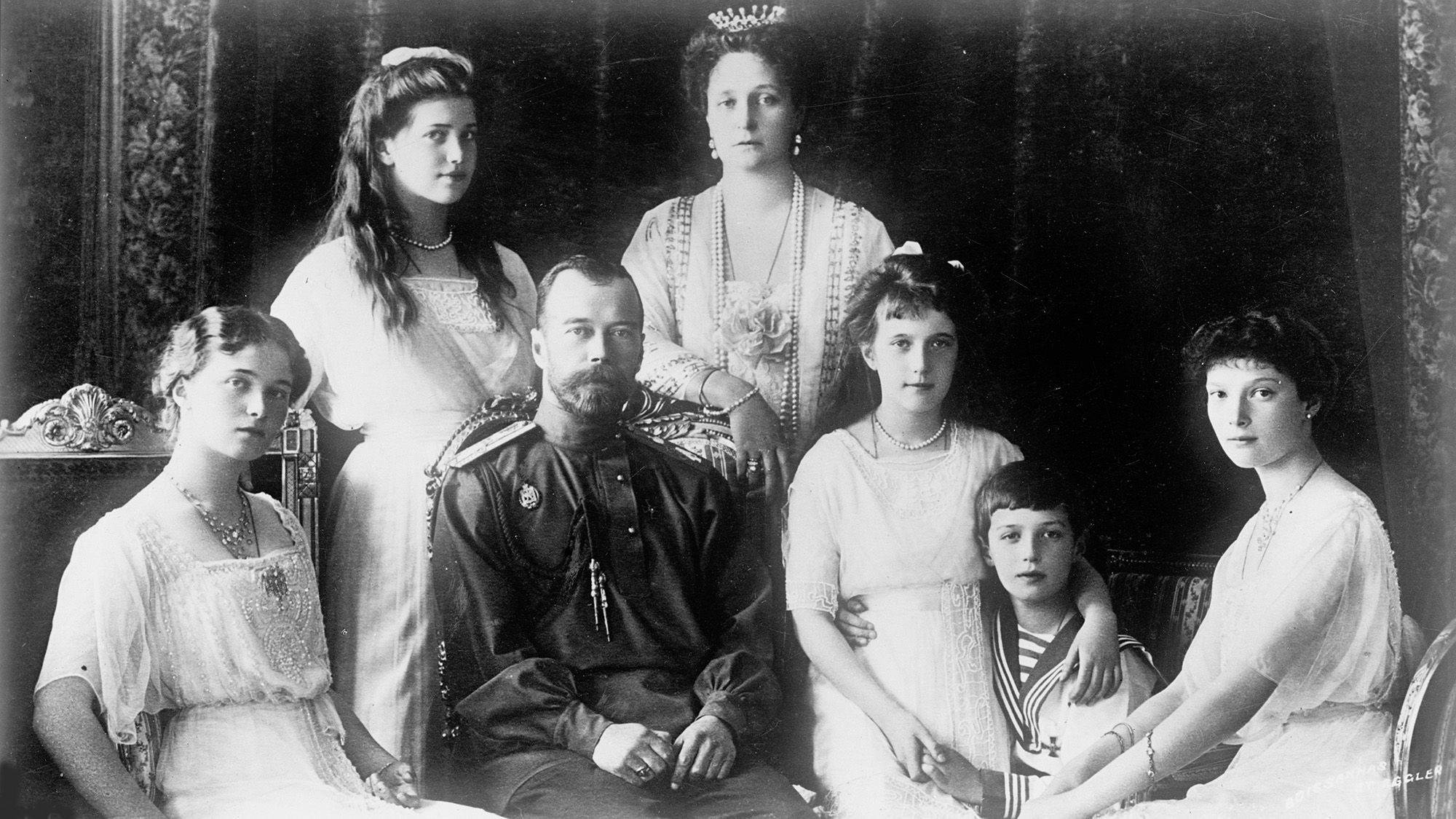
In 1918 Russia's last tsar, his wife, their five children and four others were killed in Yekaterinburg and buried in secret. When nine skeletons turned up in 1991, mitochondrial DNA, which passes only down the female line, did the identifying: Prince Philip, a great-nephew of the tsarina, matched her and three daughters. A rare quirk in the tsar's DNA, called heteroplasmy, was later found in his exhumed brother too.
Geneticist Turi King of the University of Bath tells the story in her new book, excerpted by Live Science. Two children were missing, which fed legends such as a woman in the US claiming to be Anastasia, until two more bodies were found nearby in 2007 and confirmed as siblings of the others. Evidence, not legend, closed the case.
Source: Live Science (2026-11-14)
https://www.livescience.com/health/genetics/links-with-the-british-royal-family-would-eventually-prove-crucial-how-dna-solved-the-70-year-mystery-of-what-happened-to-the-executed-members-of-the-last-russian-imperial-family
Summarised by the FTI newsdesk.