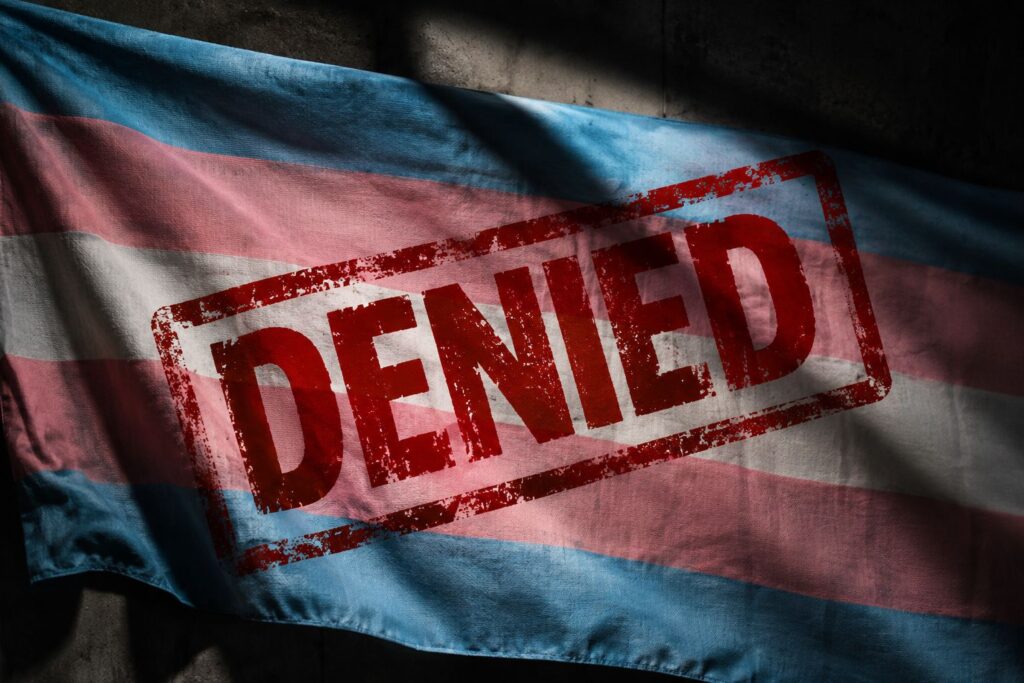
Transgender rights under fire: Four states vote for restrictions
American voters approved five measures restricting transgender people’s rights in four states during the November 3, 2026, midterm elections. Arizona, Colorado, Nebraska, and Washington backed restrictions involving school sports, access to facilities, or medical procedures for minors.
Missouri, meanwhile, rejected a proposal combining restrictions on gender-affirming care with limits on abortion.
The results reveal a complicated political picture. Restrictions passed not only in Republican-leaning states but also in Democratic-leaning Colorado and Washington.
Arizona: Sports and bathrooms
Arizona voters approved Proposition 318 with approximately 59% support.
The measure expands existing restrictions on transgender girls participating in female school sports, extending requirements to additional schools and athletic organizations.
It also restricts access to restrooms, locker rooms, and other private spaces associated with athletics according to sex recorded on an individual’s original birth certificate.
Supporters argue that the legislation protects fairness in women’s sports and privacy in changing facilities. Opponents warn that it could encourage intrusive scrutiny of transgender students and other students whose appearance does not conform to gender stereotypes.
Colorado: Two restrictions approved
Colorado voters passed two separate propositions, each receiving approximately 52% support.
Proposition 134 requires school and college sports teams to be organized according to biological sex, restricting transgender students from competing on teams corresponding to their gender identity.
Proposition 135 prohibits certain surgeries for minors intended to alter biological sex characteristics in response to their gender identity. It also restricts public funding and insurance coverage for those procedures.
The latter measure does not constitute a blanket prohibition on all gender-affirming medical care, such as puberty blockers or hormone therapy.
Both measures are scheduled to take effect on January 1, 2027, although questions remain about their implementation and potential legal challenges.
Nebraska: A restriction enters the constitution
Nebraska approved Initiative 442 with approximately 68% of the vote.
It prohibits students classified as male under the amendment’s definition from participating in sports teams designated for girls and women.
Nebraska already had similar restrictions under state law. The significant change is their incorporation into the state constitution, making legislative reversal more difficult.
Supporters frame the amendment as a protection for female athletes. LGBTQ organizations argue that constitutionalizing the restriction further excludes transgender students from ordinary school activities.
Washington: A new verification requirement
Washington voters approved Initiative 638 with approximately 56% support.
The initiative prohibits transgender girls from participating in girls’ sports from kindergarten through high school.
It also requires students seeking to participate in girls’ sports to obtain medical documentation verifying their sex using specified biological criteria. Boys do not face an equivalent requirement.
Opponents argue that this creates unnecessary privacy concerns for all girls, not only transgender students.
Legal challenges have already begun. Parents, educators, and civil rights organizations are seeking to prevent the measure from taking effect on December 3, arguing that it violates state constitutional protections.
Washington voters also rejected a separate initiative that would have expanded parental access to certain student information.
Missouri: A different outcome
Missouri rejected Amendment 3, with approximately 55% voting against it.
The proposal sought to prohibit gender-transition procedures for minors through a constitutional amendment. It was combined with a proposal to repeal the abortion protections approved by Missouri voters in 2024.
The result therefore cannot be interpreted as a straightforward referendum on transgender rights alone. Voters were deciding several significant issues together.
Missouri’s existing statutory restrictions on gender-affirming care for minors remain in force despite the amendment’s defeat.
What happens next?
The results demonstrate that transgender-related ballot measures can attract majority support even in states that generally elect Democratic candidates.
Supporters of sports restrictions emphasize competitive fairness and distinctions based on biological sex. Opponents emphasize equal treatment, privacy, and transgender students’ ability to participate in school life.
The votes also raise practical questions. How will schools verify eligibility? What information will families have to disclose? How will restrictions interact with existing anti-discrimination laws?
Those questions are now moving into courts and administrative processes, particularly in Washington.
For freethinkers, the central principle is that public policies should be evaluated through evidence, legal safeguards, and their consequences for the people affected. An electoral majority can authorize a policy, but it does not settle every question about its fairness, constitutionality, or practical effects.