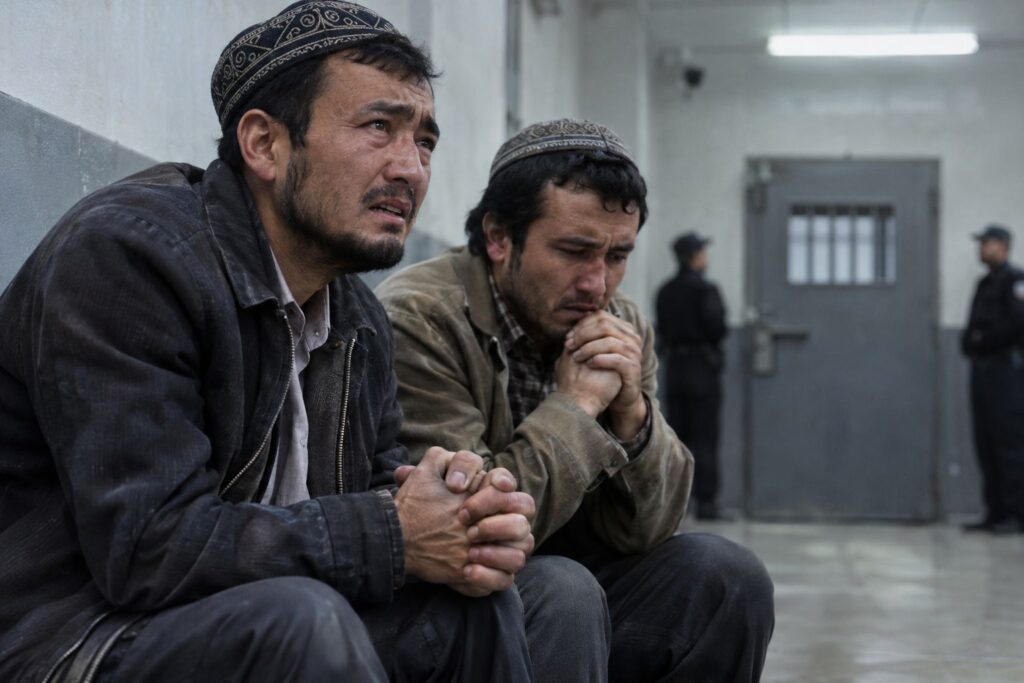
Uyghurs, welcome back to China: Torture and disappearance await
They fled persecution in China and spent more than twelve years detained in Thailand. Now, two Uyghur men face the prospect of being forcibly returned to the country they escaped.
In a November 4 statement, Amnesty International warned that the men face a real risk of torture, arbitrary detention, and enforced disappearance. Both have told their legal representatives that they fear for their lives and do not consent to being sent back.
A pardon without freedom
According to Human Rights Watch, one of the men was only fourteen when Thai authorities detained him in 2014. What should have been his adolescence became years behind bars.
The men subsequently served prison sentences for offenses connected to an escape attempt from immigration detention. After receiving a royal pardon, they were transferred to Bangkok’s immigration detention center on October 21, 2026. Their release from prison did not mean freedom.
HRW says Thai authorities have repeatedly denied the UN refugee agency access to determine their refugee status. Amnesty reports that, since their transfer, access has also been denied to their lawyers, civil society organizations, and Thailand’s National Human Rights Commission.
Forty men already sent back
There is a disturbing precedent.
In February 2025, Thailand forcibly returned forty Uyghur men to China despite international appeals. Thai and Chinese authorities presented the returns as family reunifications. Human Rights Watch subsequently reported that relatives abroad had received no news from the men and that independent observers had not been granted access.
A government-arranged visit showing some returnees could not establish the safety of the entire group. In February 2026, HRW said their fate remained unknown and described China’s refusal to disclose their whereabouts as enforced disappearance.
Diplomatic assurances deserve scrutiny when the people supposedly protected by them cannot freely communicate with relatives or independent monitors.
The danger is documented
The warnings about China are grounded in extensive documentation of repression in Xinjiang.
Human Rights Watch describes arbitrary detention, mass surveillance, forced labor, and cultural and religious persecution targeting Uyghurs. People returned after leaving China without authorization face particular suspicion and the risk of interrogation and torture.
The UN human rights office’s 2022 assessment concluded that abuses in Xinjiang may constitute international crimes, particularly crimes against humanity. Amnesty’s subsequent reporting describes families still cut off from imprisoned relatives and continuing intimidation of people seeking answers.
Freedom of conscience includes the right to practice a religion without state persecution. A secular commitment to human rights demands the defense of Muslims against authoritarian abuse just as firmly as it demands the defense of atheists against religious repression.
Thailand has a choice
Reuters reported on November 4 that Thai authorities say the five remaining Uyghur men can challenge China’s extradition request in court. China maintains that its cooperation with Thailand follows domestic and international law. These statements do not establish that a return would be safe, and the two men’s deportation should not be presented as already completed.
Thailand’s obligations are clear: the Convention Against Torture and its own anti-torture legislation prohibit returning people where the relevant threshold of danger is met. Amnesty is calling for release and a safe, voluntary solution in a third country.
After twelve years of confinement, these men deserve a chance to rebuild their lives. Sending them into the hands of the government they fled would make Thailand responsible for exposing them to a danger it has been repeatedly warned about.